Destinations

47 places, and why to go to each

A destination is not a plan. These are the cities and regions our routes pass through, with the honest case for each and the season it works.

  • Cities47
  • Regions8
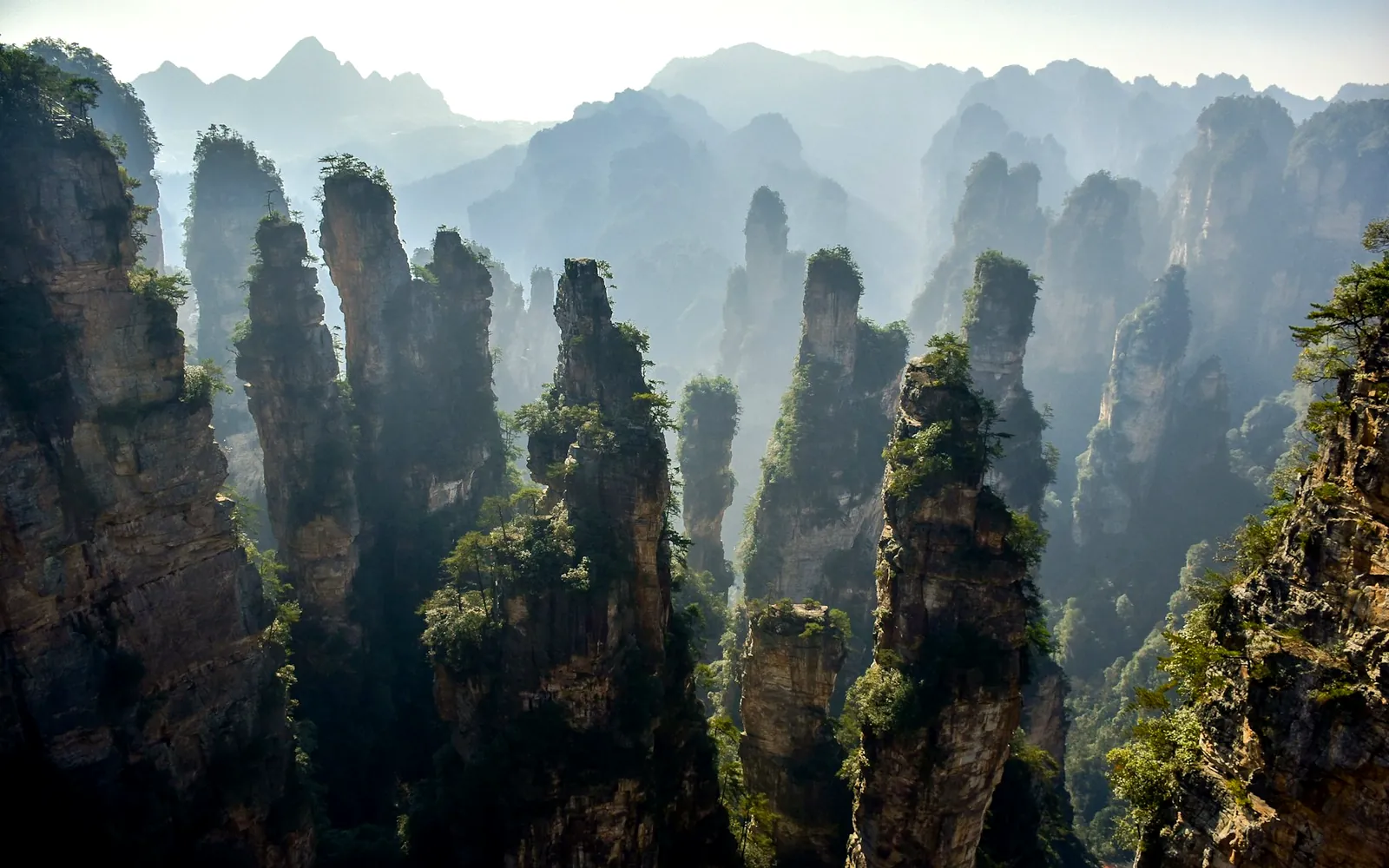
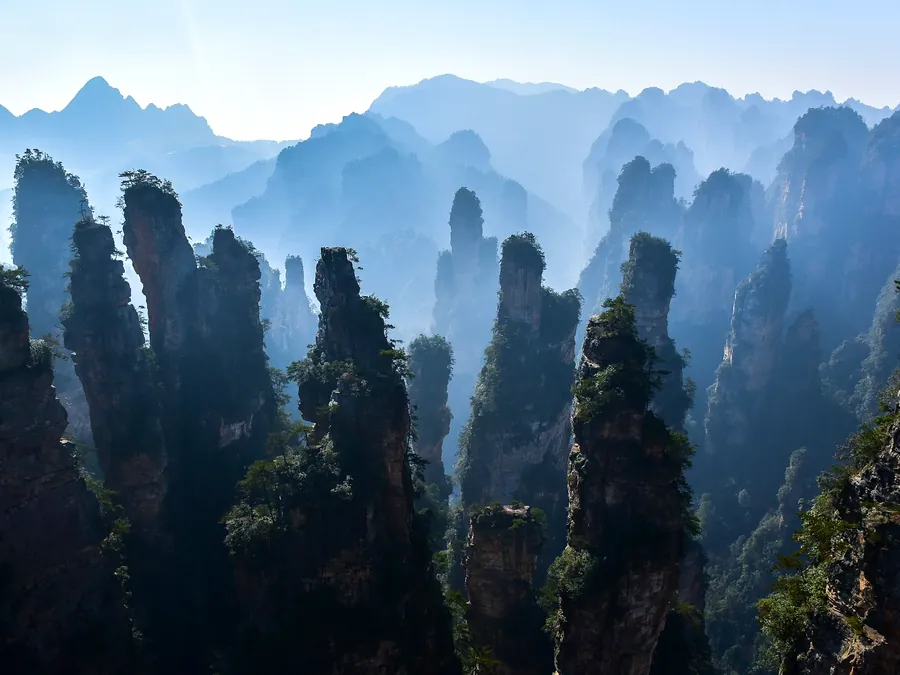
Sandstone pillars of Zhangjiajie National Forest Park rising through mist

South China

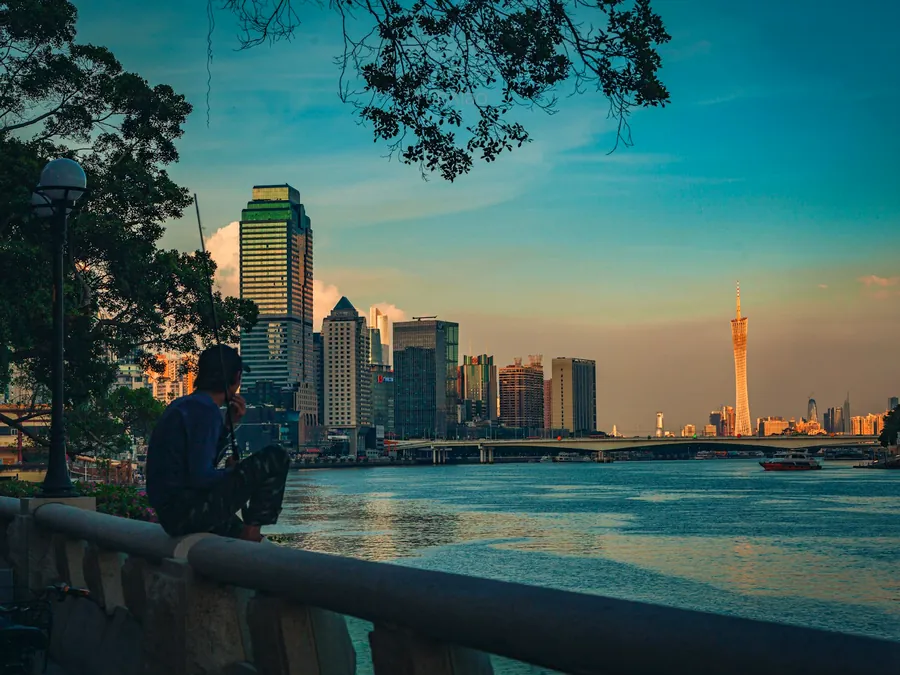
Guangzhou

Cantonese capital, dim sum capital, and the gateway most travellers never think to plan

Guangzhou has been a trading port for two thousand years and still runs on food, commerce and a particular kind of unhurried confidence. Foreigners mostly know it as a transit point to Hong Kong — which is a waste of a genuinely interesting city.

  • October to April
South China

Shenzhen

The design capital that grew from a fishing village in forty years

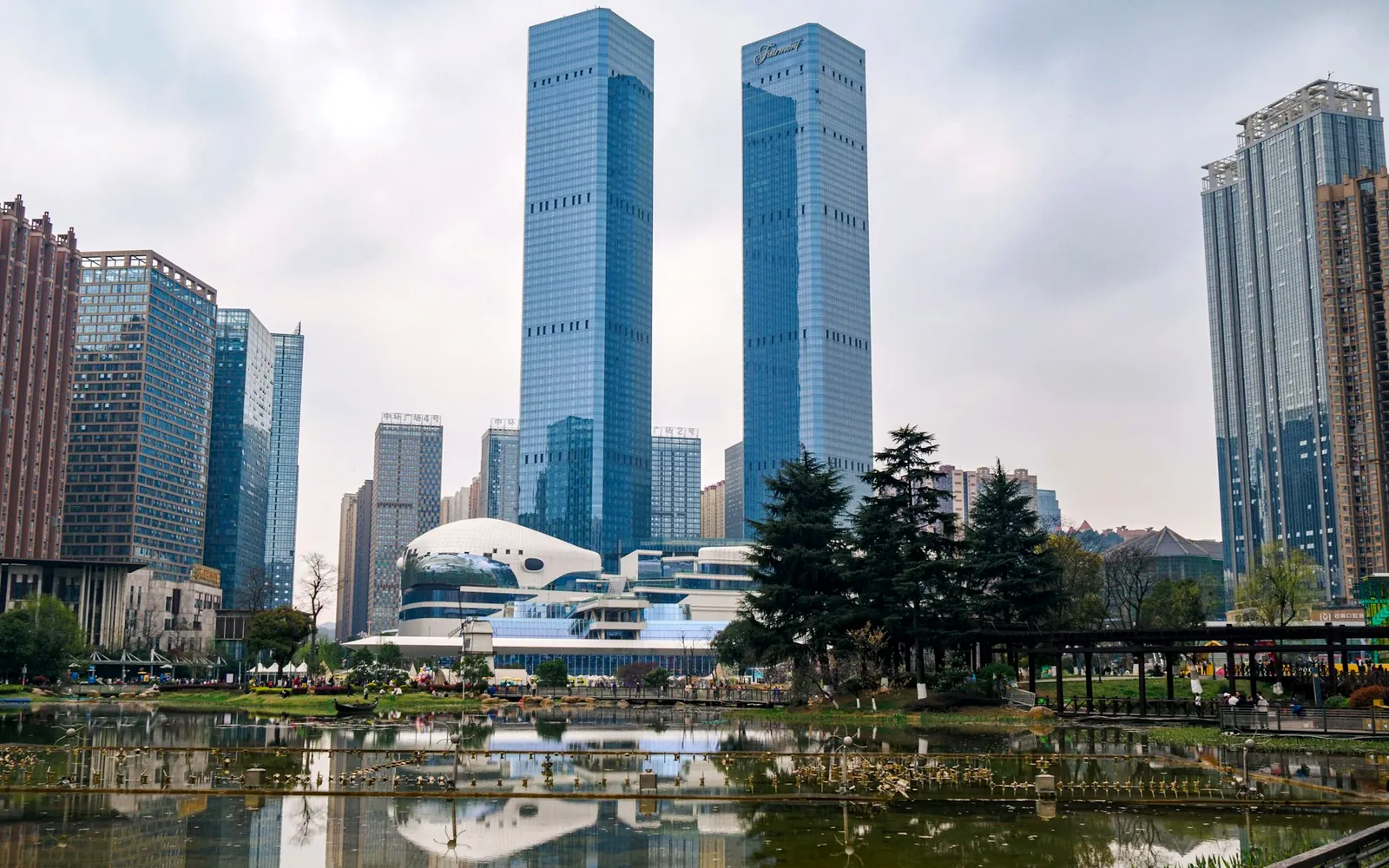
Shenzhen is the proof that China can build a city from nothing. It is home to the Huawei campus, the Design Society museum and a waterfront that looks like it was drawn by an architect with a grudge against Hong Kong.

  • October to April
South China

Hong Kong

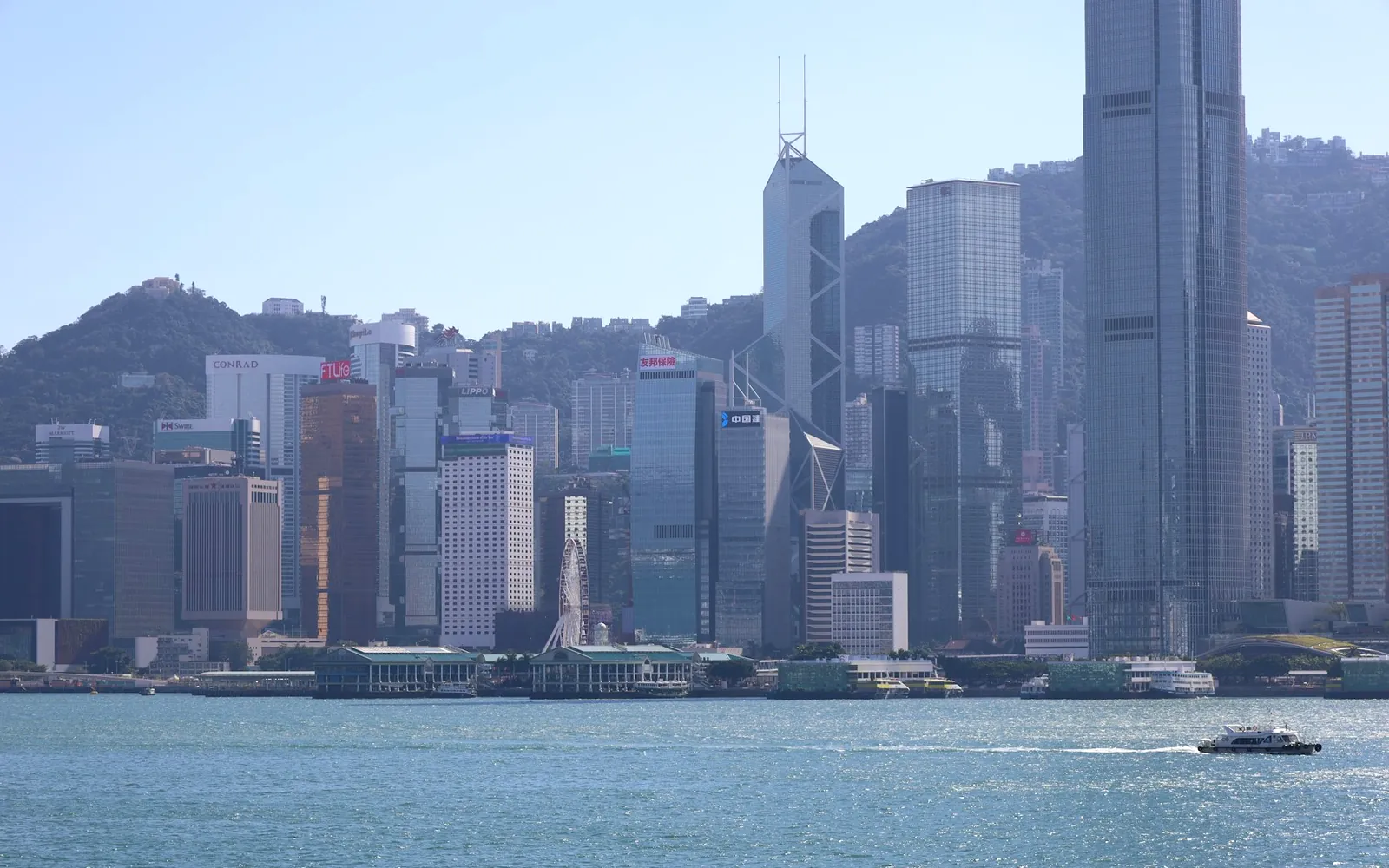
The most efficient city on earth, and the most vertically argued about

Fifteen million people on a hilly scrap of coast, running on speed, money and a food culture that never got centralised. It rewards the traveller who moves fast and eats well.

  • October to March

East China

Shanghai

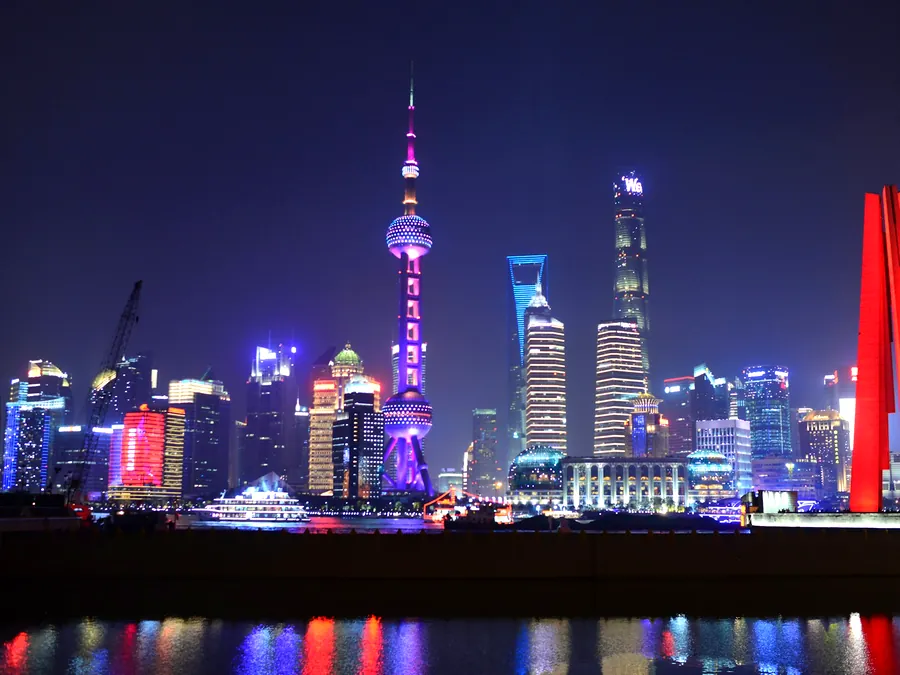
The most European city in China, and the most interesting one

The Bund, the Shikumen lanes, the art scene, the coffee, and an argument with itself about what it wants to be. Shanghai rewards a few days more than any other Chinese city.

  • March to May, September to November

East China

Suzhou

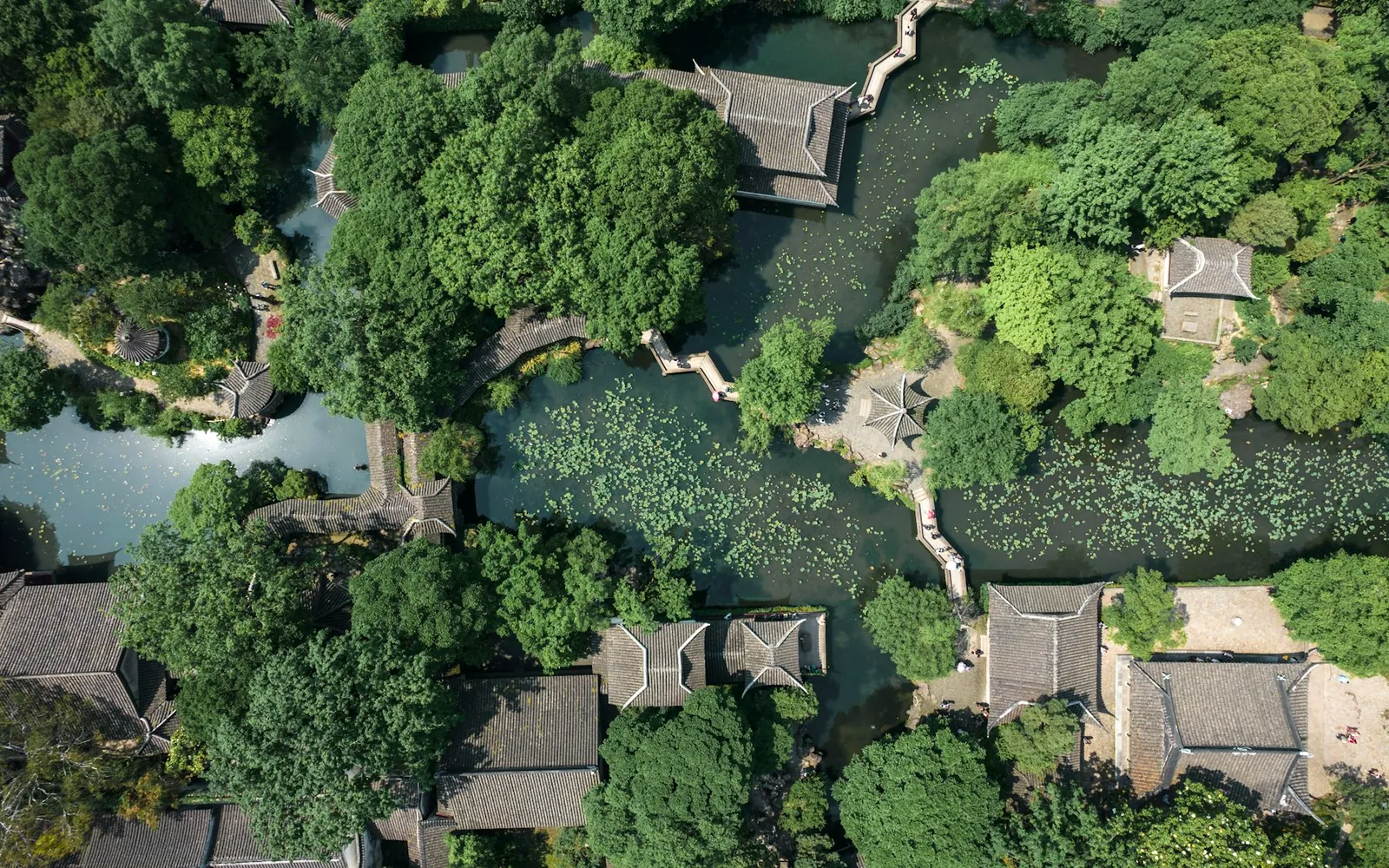
Gardens, canals and silk, 1,000 years of deliberate beauty

A city built around water and horticulture, with a scholarly reputation that goes back a thousand years. Suzhou is where classical Chinese aesthetics stopped being an idea and became a daily way of living.

  • March to May, October to November

East China

Hangzhou

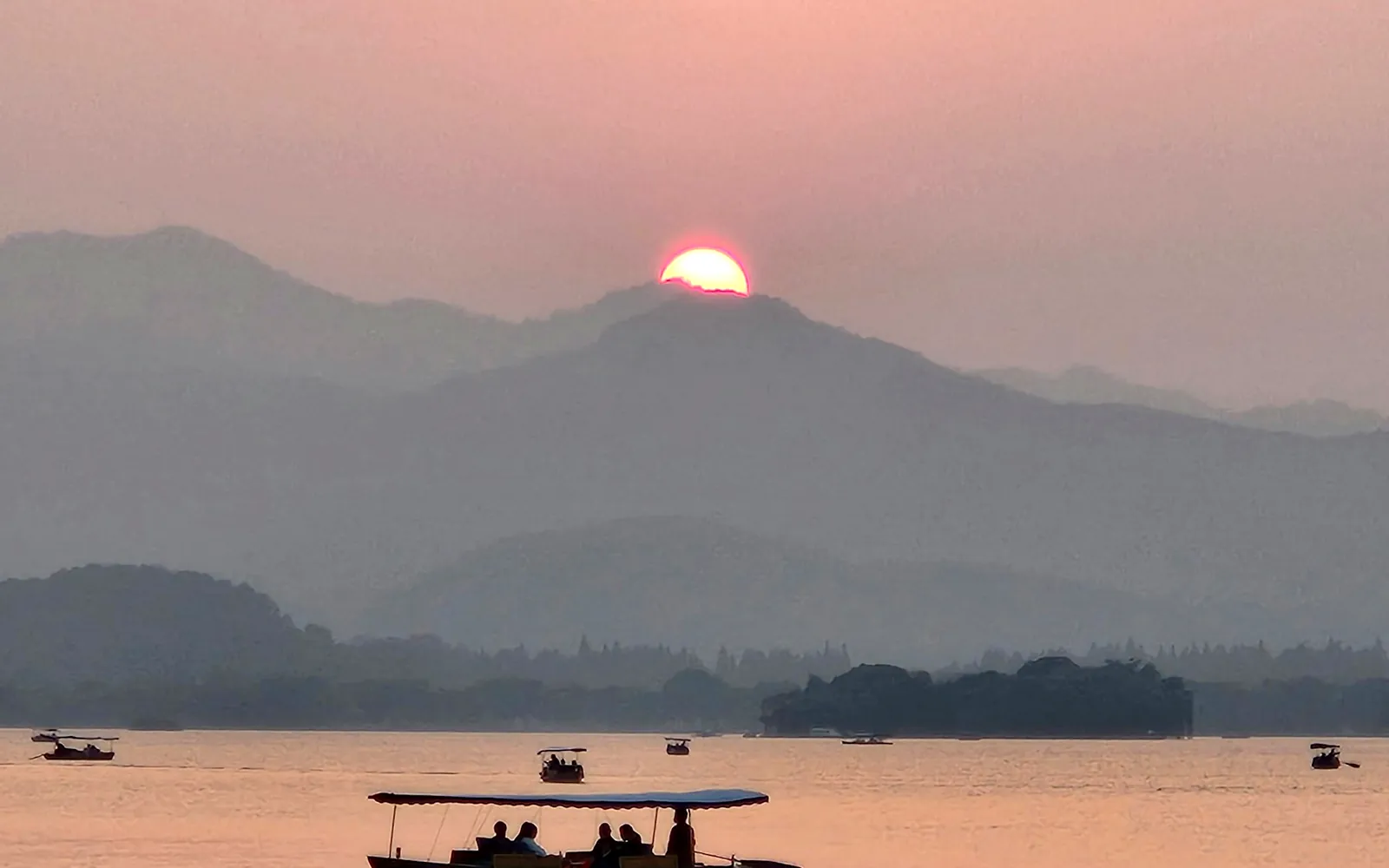
The lake, the tea and the calmest city in the Jiangnan delta

West Lake has been the subject of Chinese poetry for a thousand years, and it justifies the attention. Hangzhou pairs it with the tea country above the city and the Song-dynasty villages beyond.

  • March to May, September to November

North China

Beijing

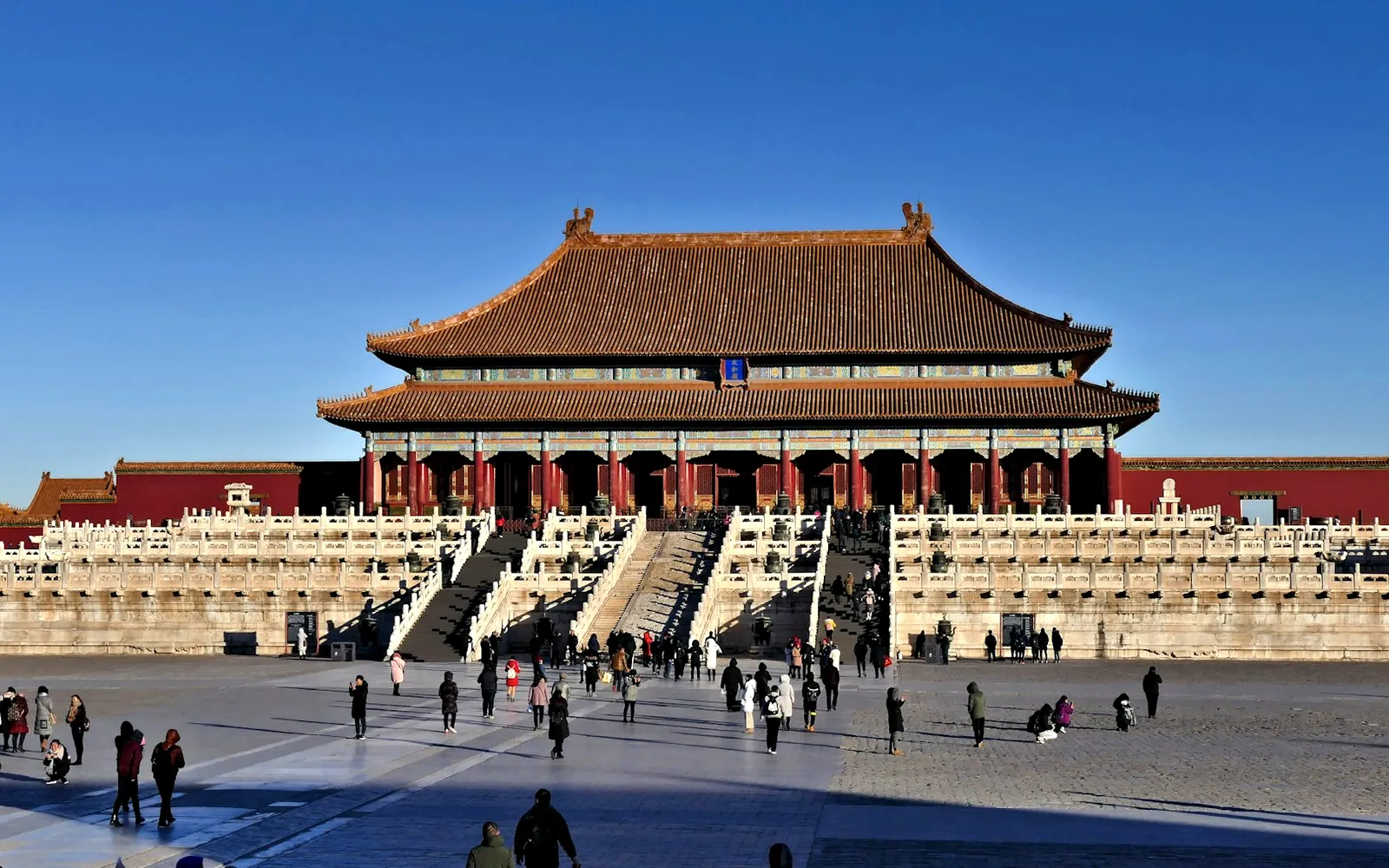
The imperial capital, and the city that keeps being rebuilt on top of itself

Seven centuries of capital, an imperial axis running due north, and hutongs that still hold the city together at street level. Beijing is bigger and louder than most visitors expect, and the Wall is worth the early start.

  • April to June, September to October

Southwest China

Chengdu

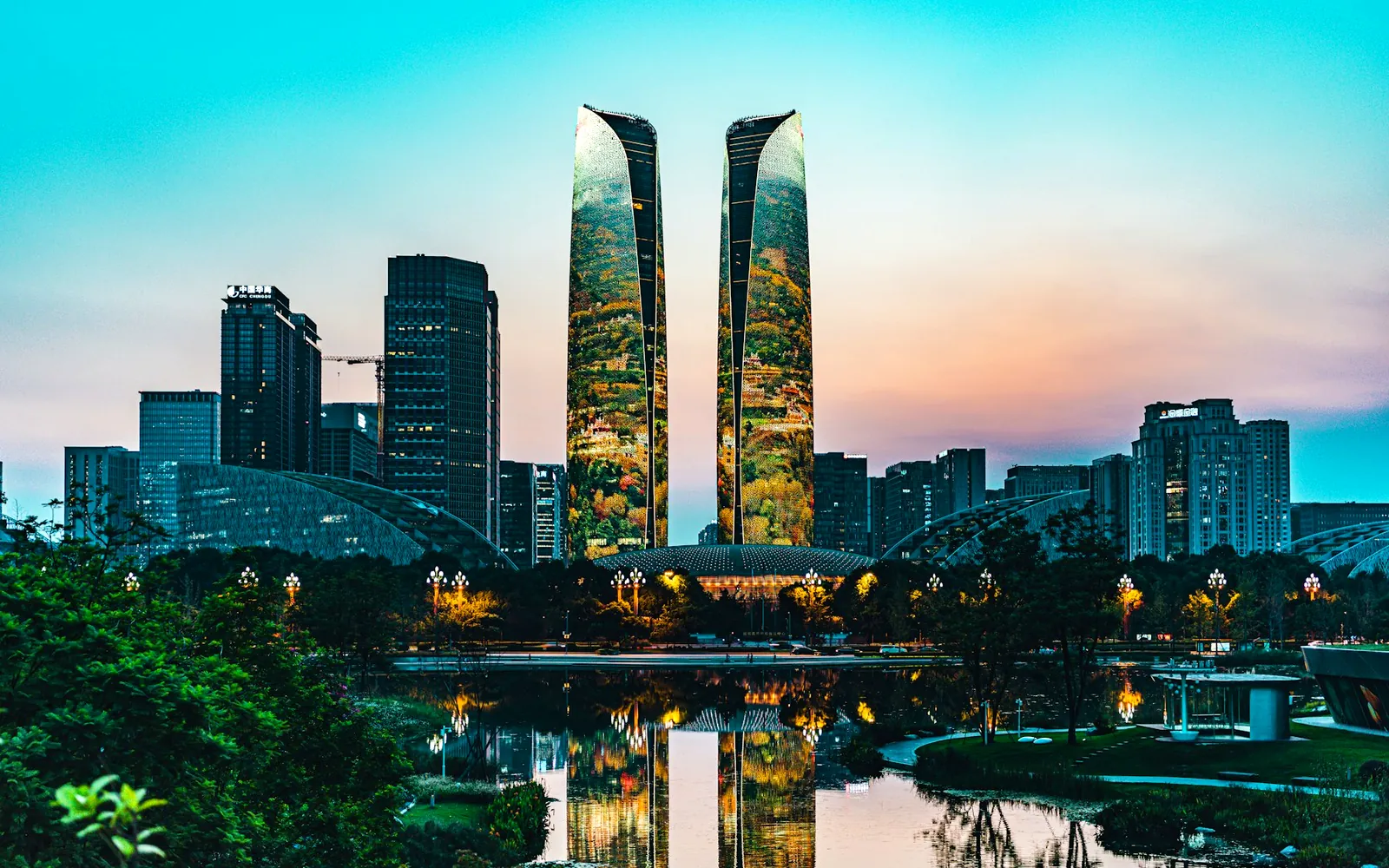
The most relaxed major city in China, and the food capital of the west

Sichuan cooking, teahouses that have not changed in a century, and a laid-back pace that most Chinese cities have not managed to keep. Chengdu is also the gateway to Jiuzhaigou.

  • March to June, September to November

Southwest China

Jiuzhaigou

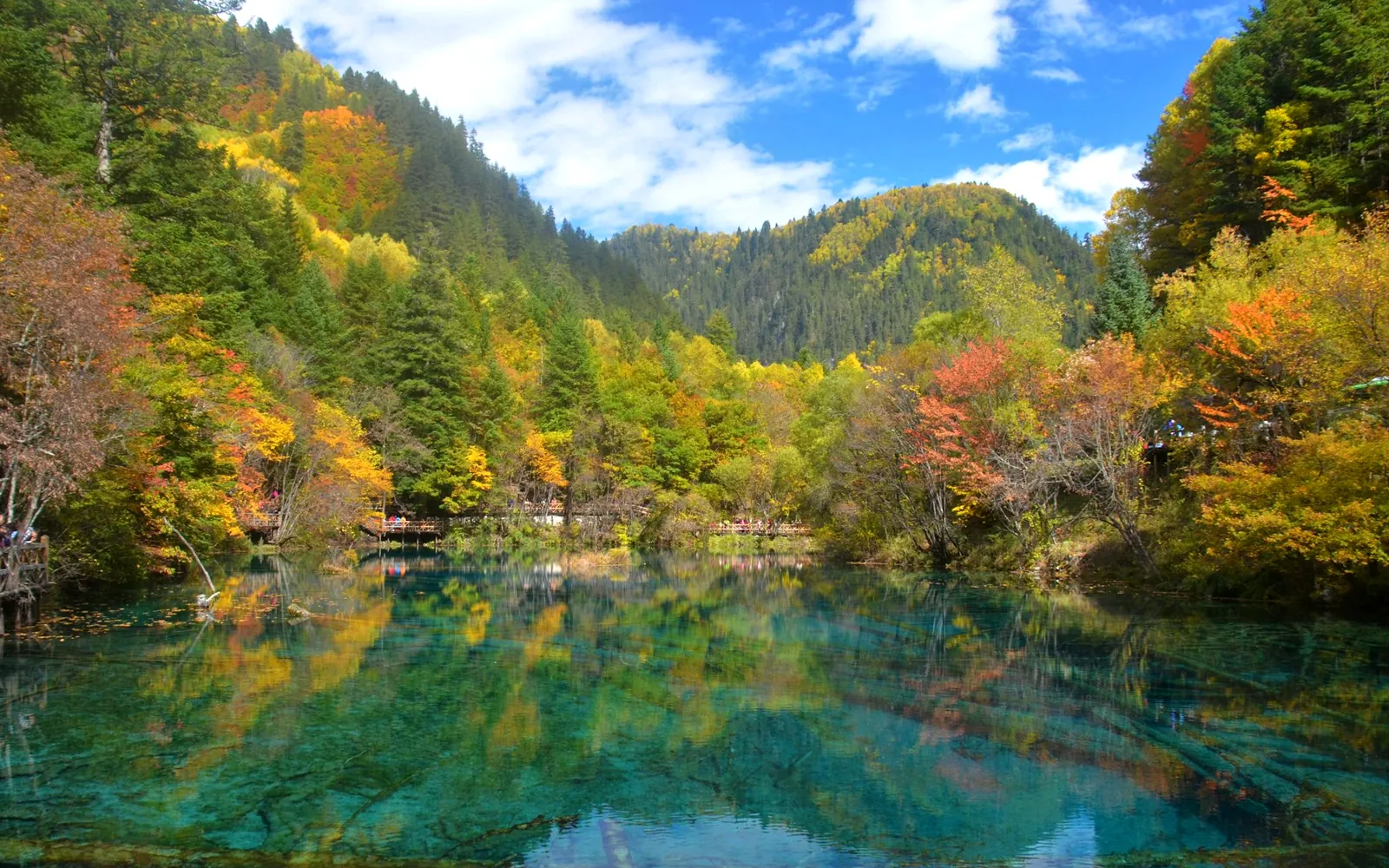
Turquoise lakes, travertine terraces and forest at the edge of Tibet

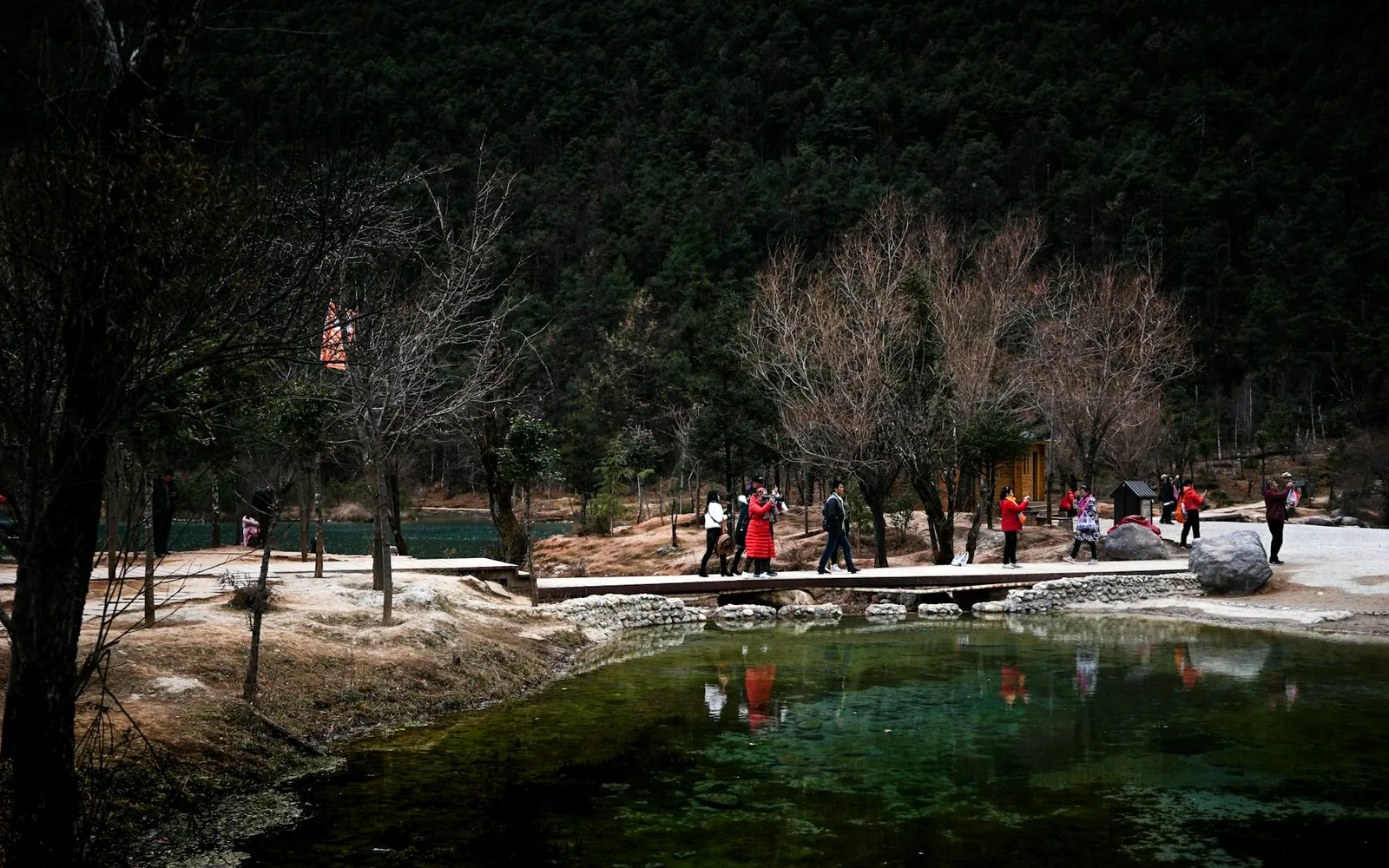
A national park in the northern Sichuan mountains with lakes the colour of jade, and a forest of pine and birch that turns completely different in October. It is on the UNESCO World Heritage list, and it earns it.

  • September to mid-October for the autumn colour; May to June for clear water

Southwest China

Yangshuo & Guilin

The karst landscape that ended up on the banknote

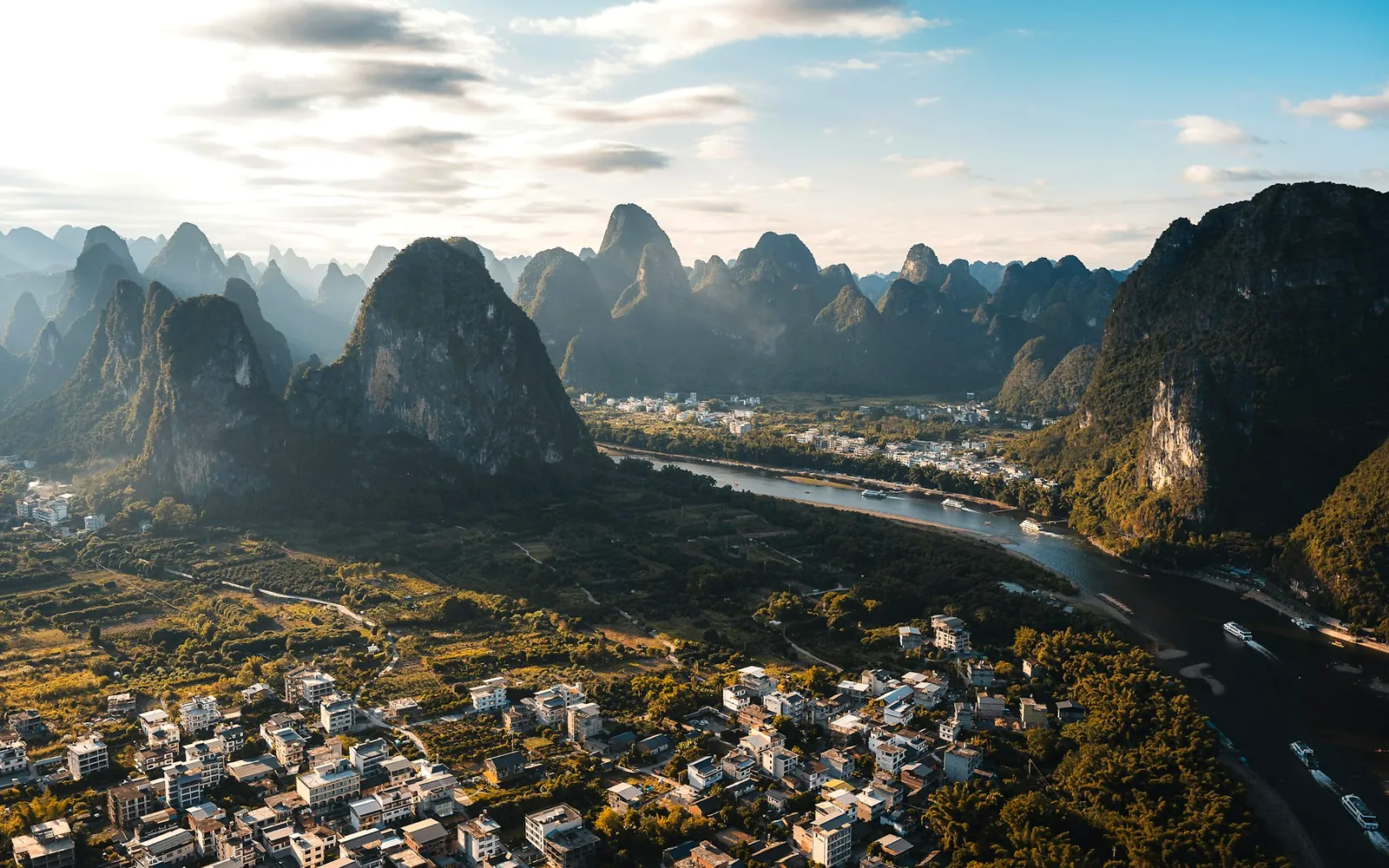
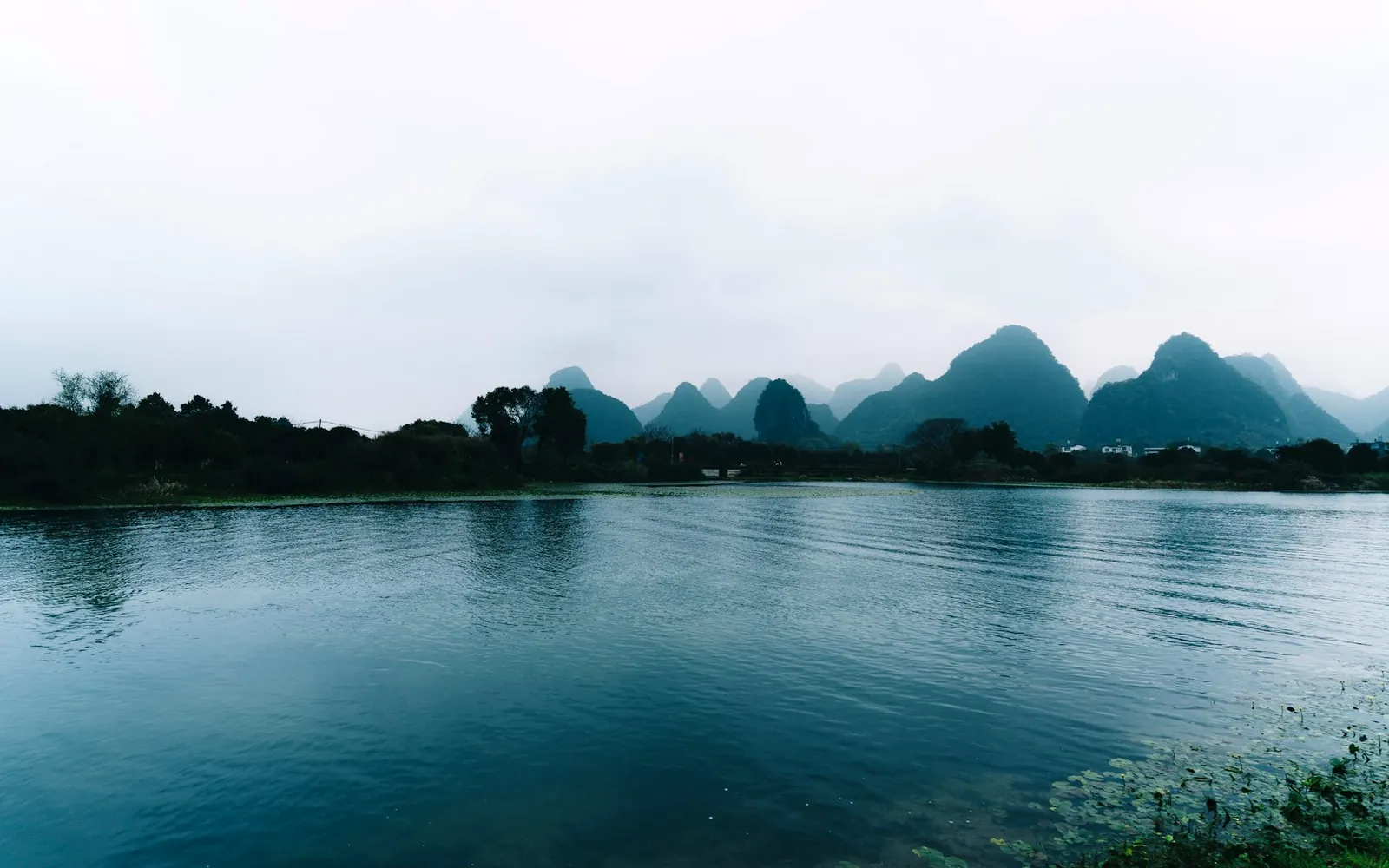
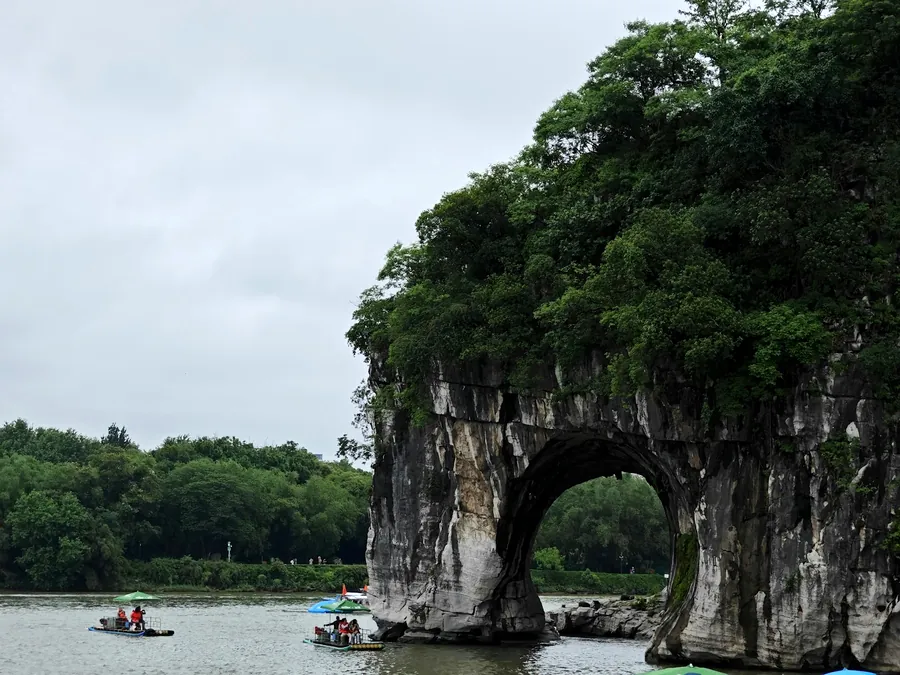
Yangshuo holds the single most photographed karst peak in China, and the landscape around it is the most dramatic in the country. The bamboo raft on the Li River is the single image most visitors carry home.

  • April to June, September to November

Southwest China

Dali

The Erhai lake, the Cangshan range and the Bai people’s old town

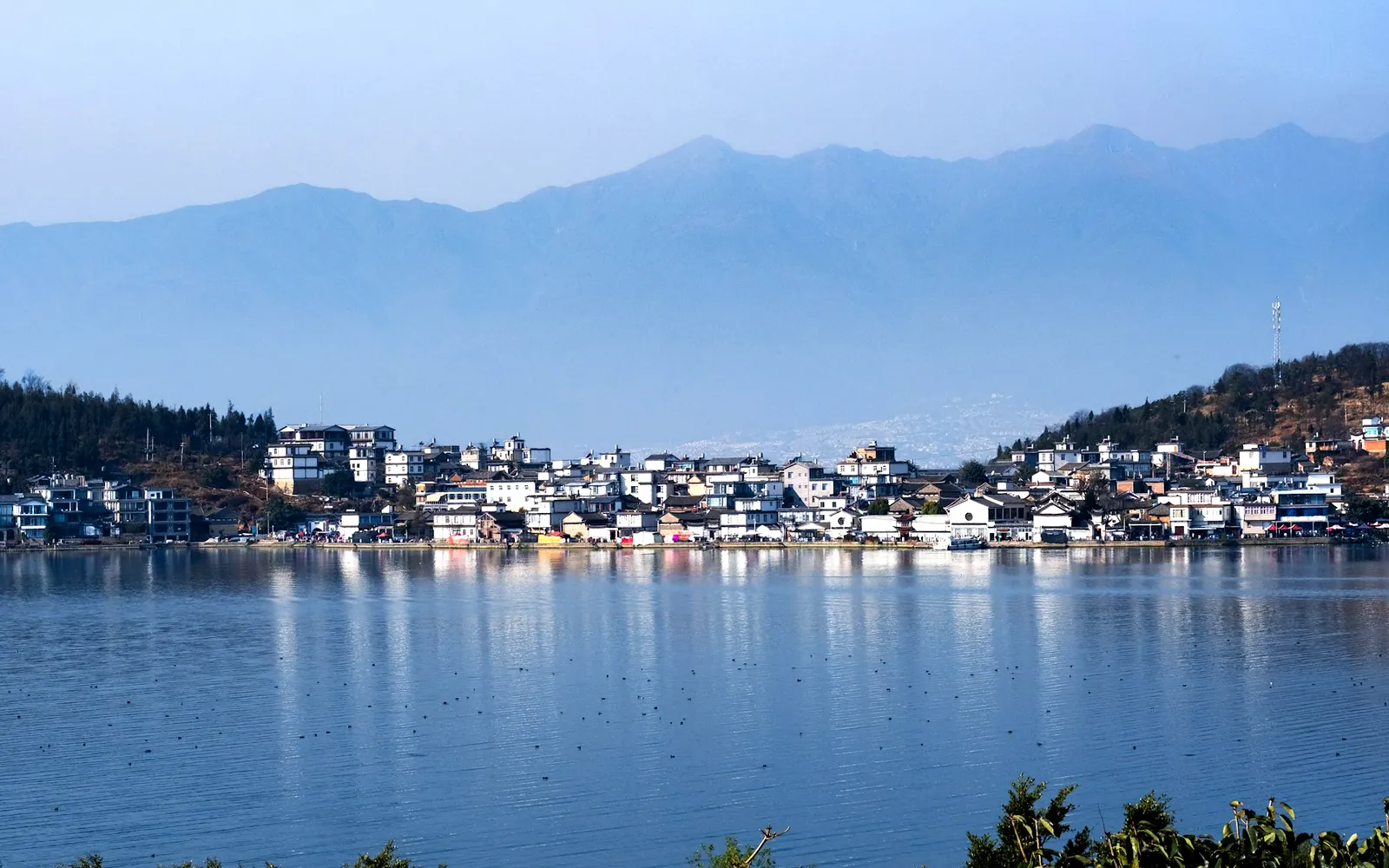
An ancient city between a lake and a 4,000-metre mountain range, with a working local culture rather than a reconstructed one. Dali has been quietly discovered by travellers who did not want the crowds.

  • March to May, September to November

Southwest China

Lijiang

The old town, the Naxi culture and the mountain above it

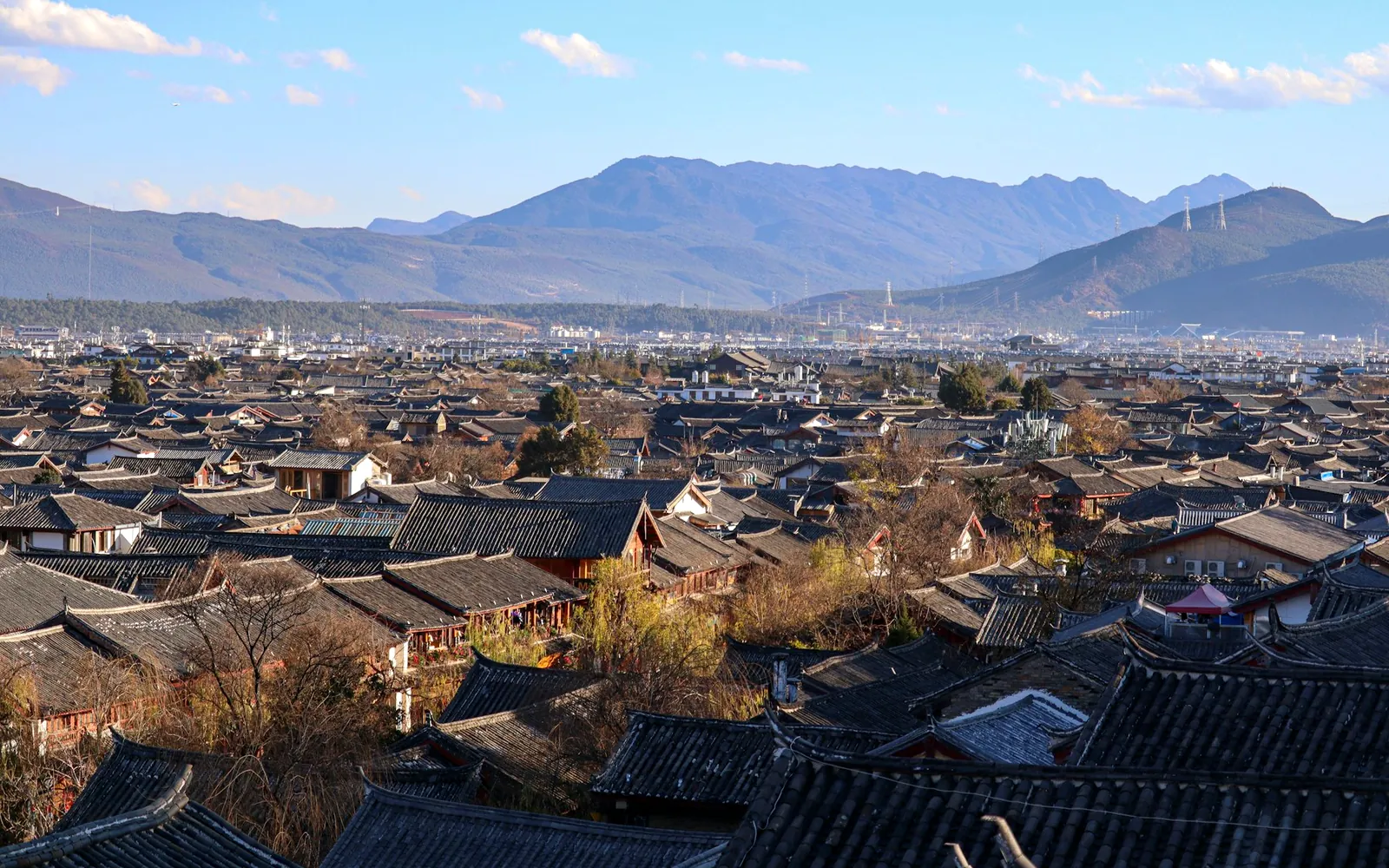
A well-restored old town from the Naxi and Tibetan cultures, in the shadow of Jade Dragon Snow Mountain. Lijiang can be crowded; a short distance outside it, the villages are not.

  • March to May, September to November

Hainan & South China

Sanya

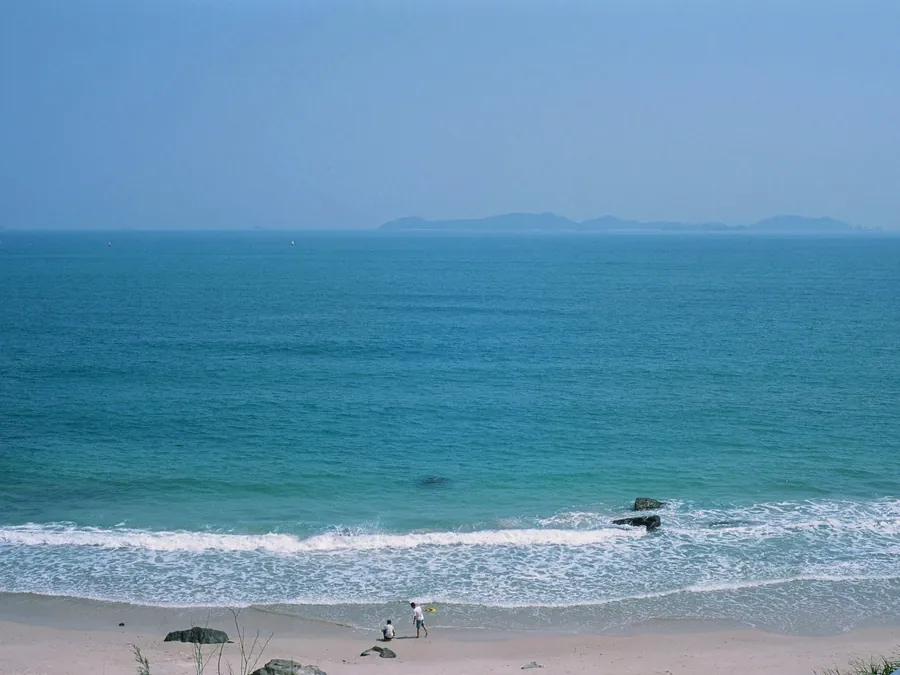
China’s tropical coast, and a genuine resort destination

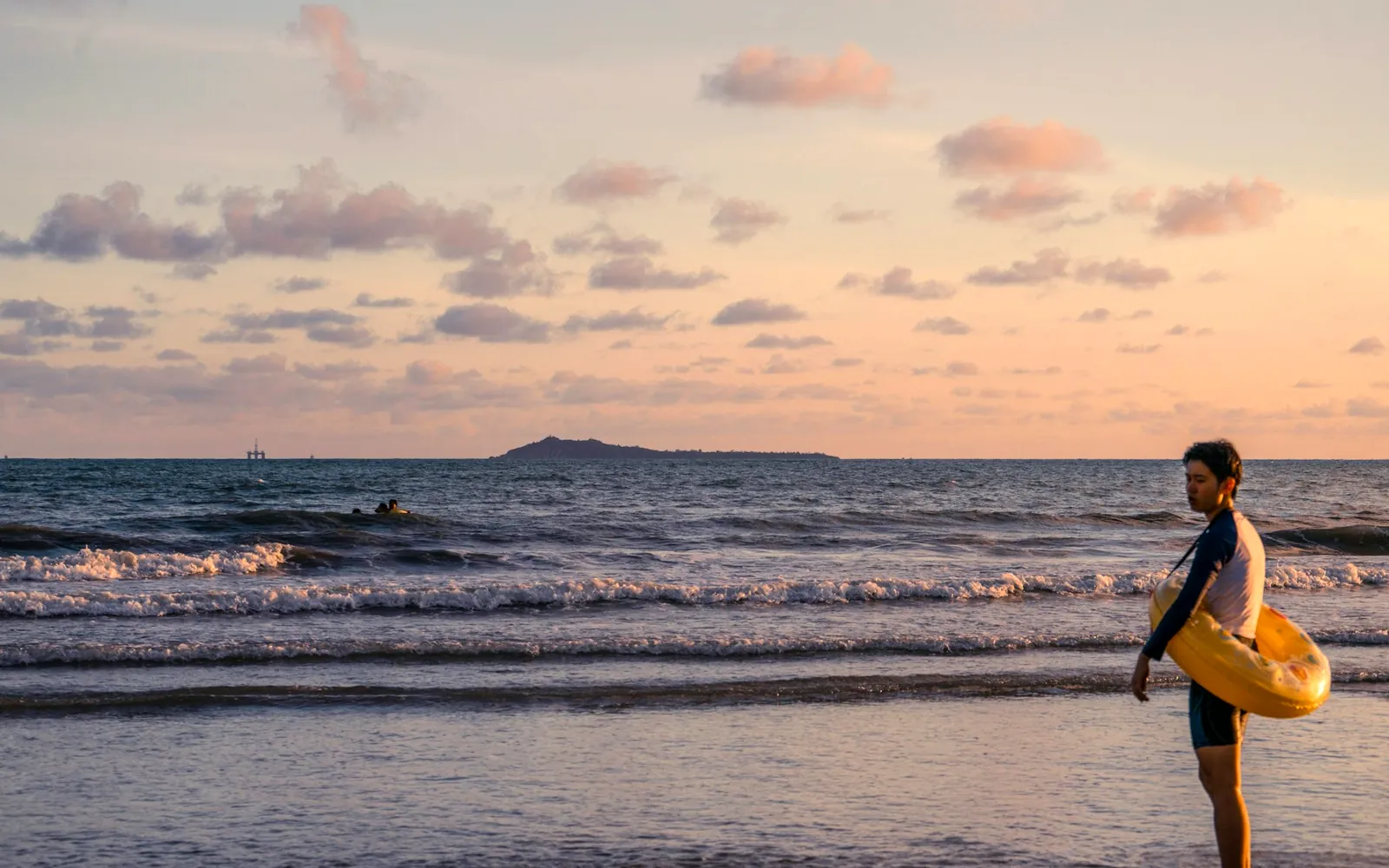
Hainan’s southern city has the country’s best beaches, the clearest water and a separate visa-free entry policy that makes it one of the easiest places in China for an international visitor to reach.

  • November to April

South China

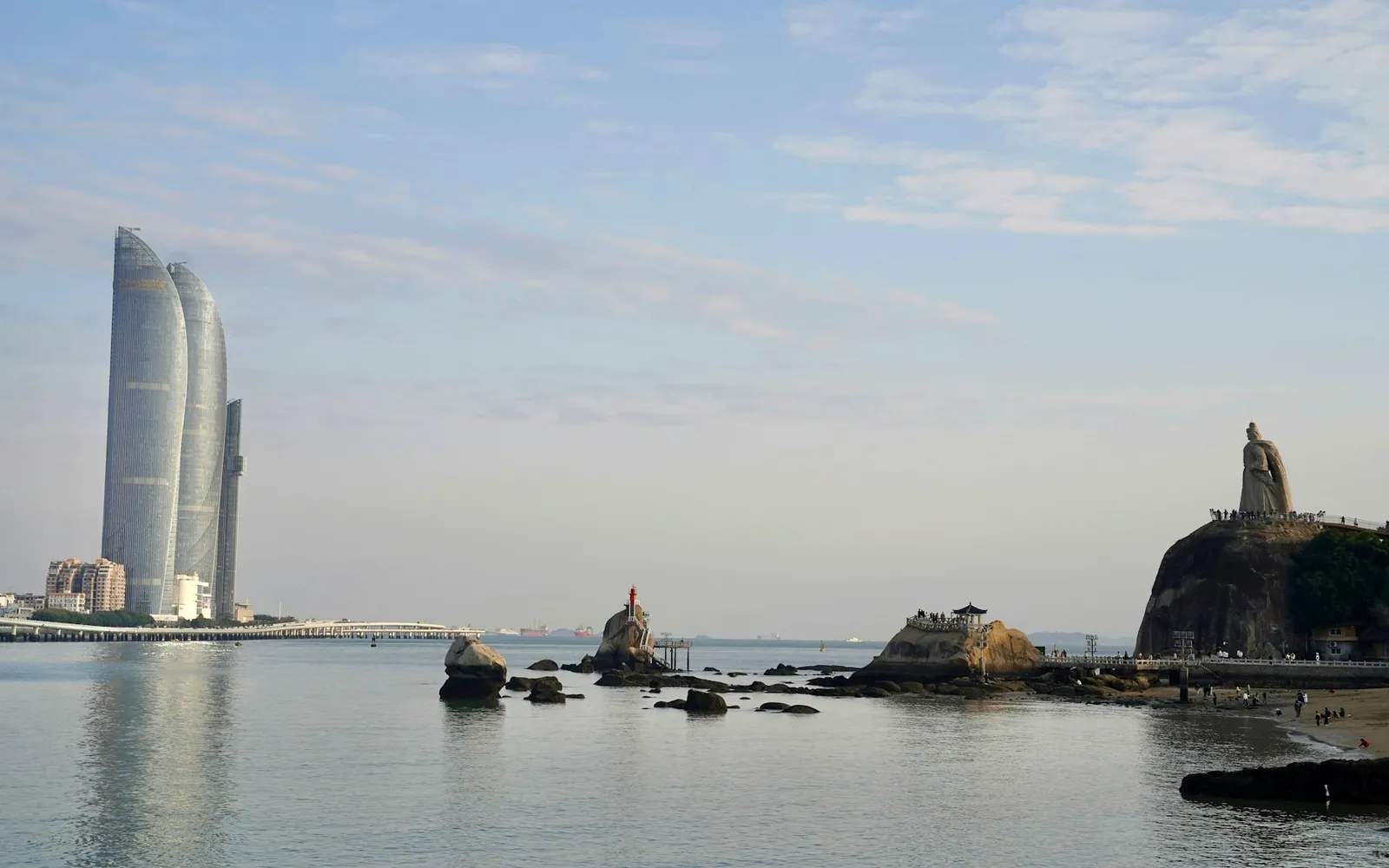
Xiamen & Gulangyu

The island with no cars, and the piano culture nobody expects

One of the most pleasant cities in China to walk around, and an island that trains pianists. Xiamen also makes an easy pairing with Hong Kong and the Chaoshan arcades further south.

  • October to April
Central China

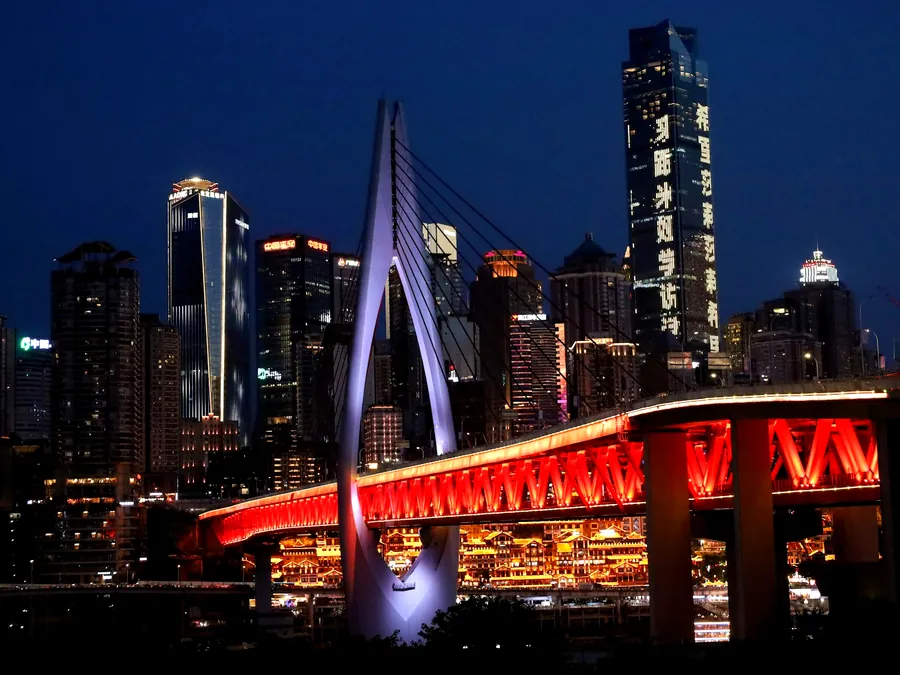
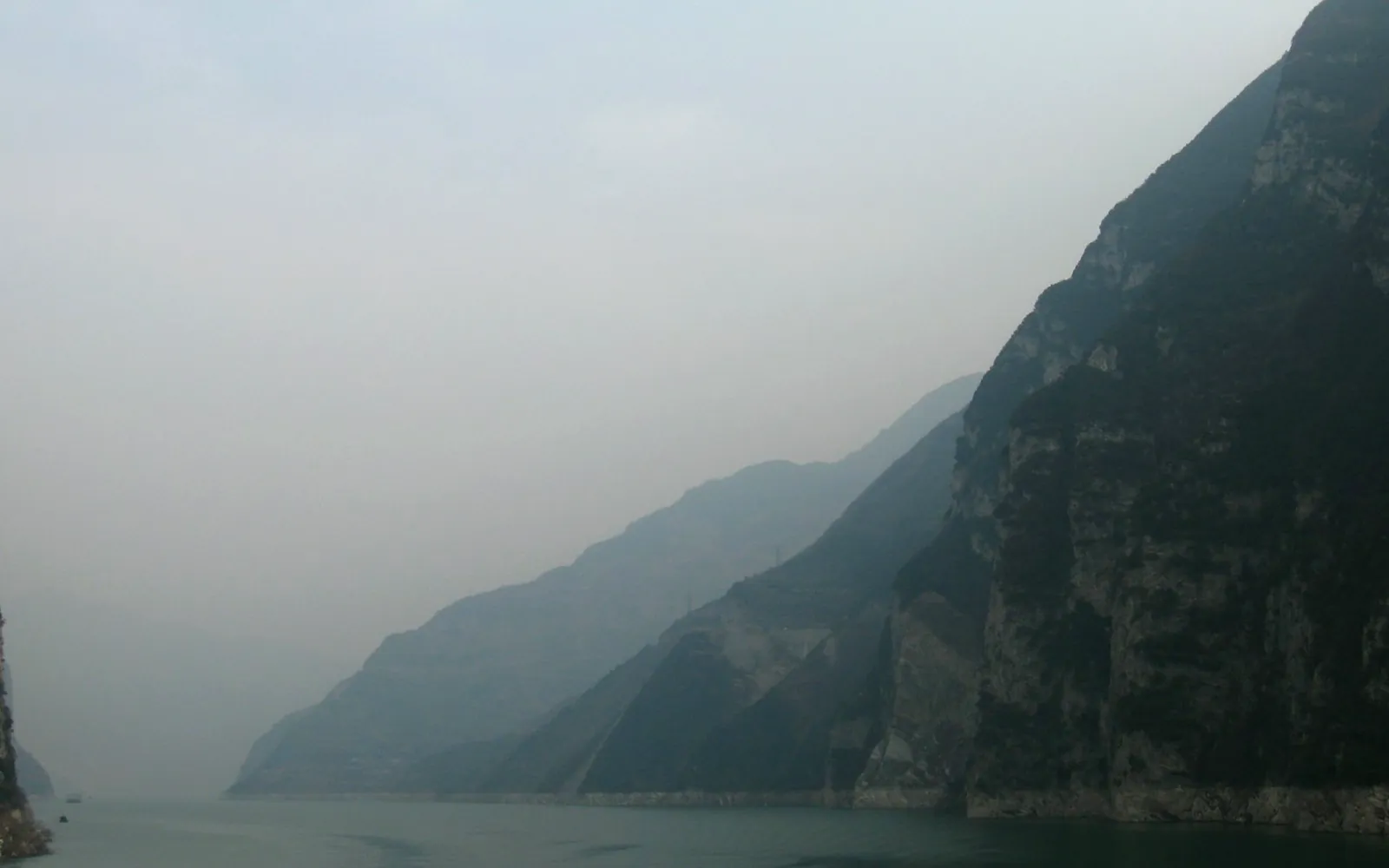
Chongqing

The only city built in three dimensions, and the gateway to the Yangtze gorges

A municipality of 30 million on the ridges above the Yangtze and the Jialing, with hotpot as a civic institution. It is also where you board the Three Gorges cruise.

  • March to May, September to November

Northwest China

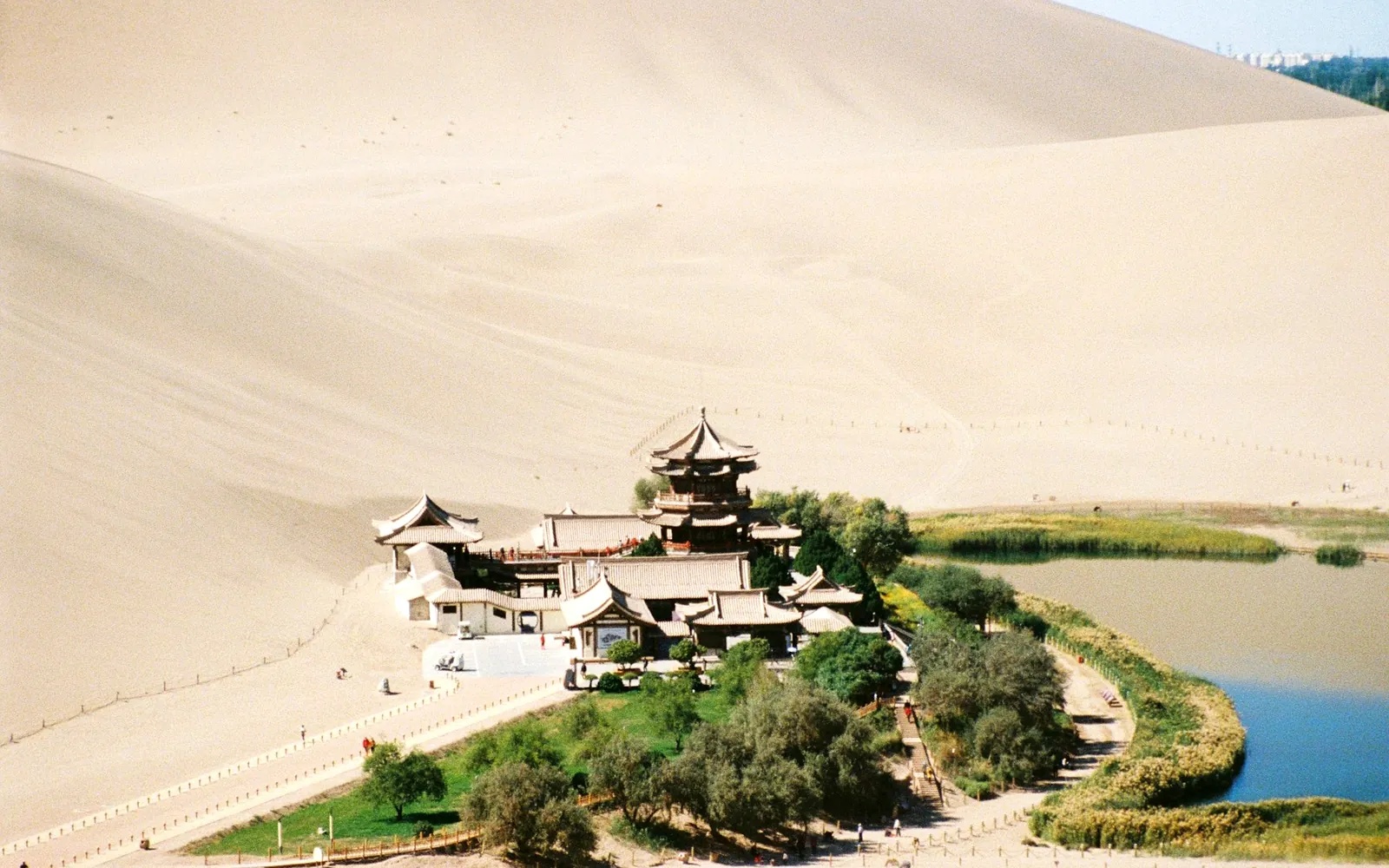
Dunhuang

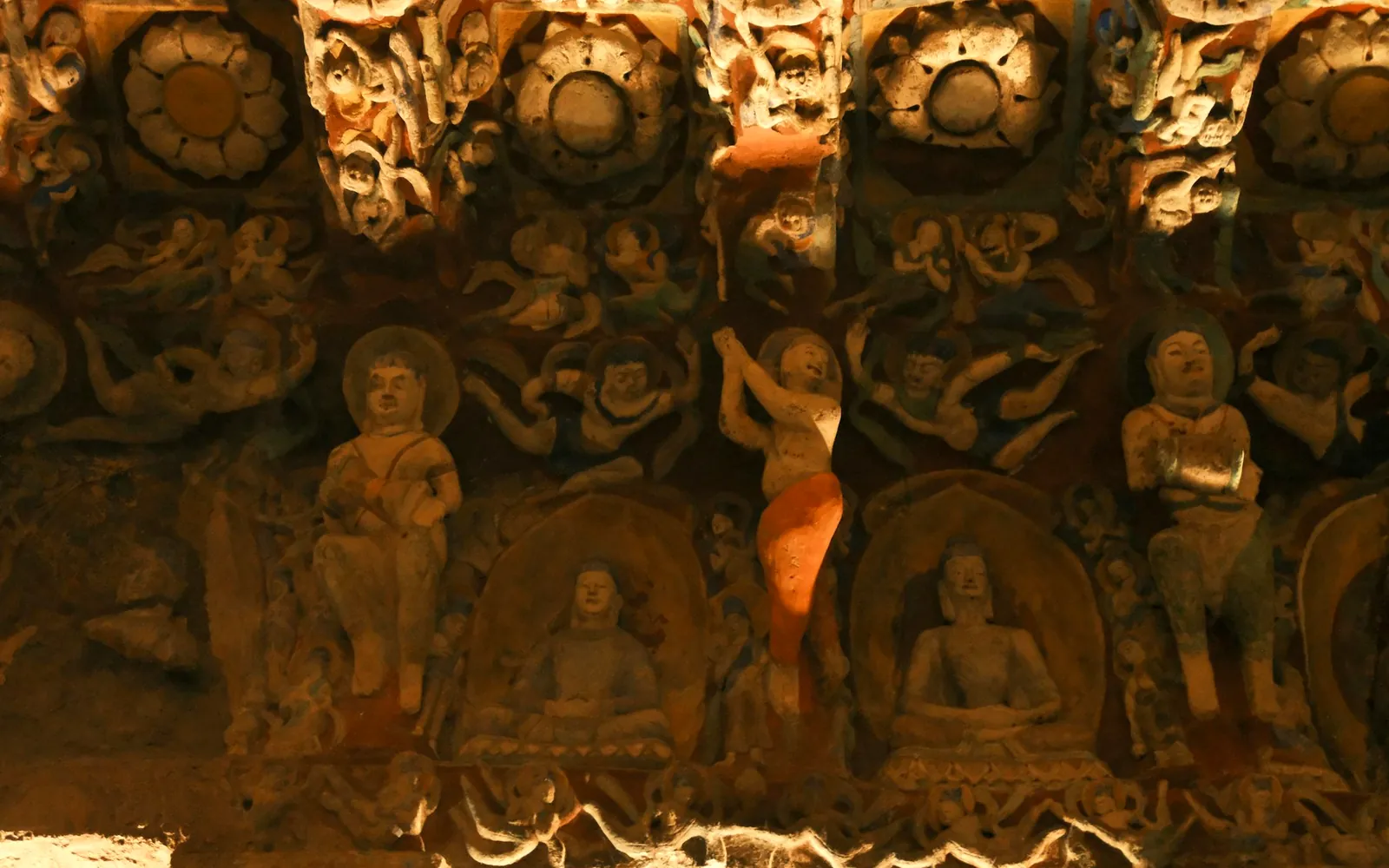
The end of the Silk Road, and two thousand years of Buddhist painting

A desert oasis town guarding the Mogao caves, the single most important body of Buddhist art in the world, and the western gateway to the Gobi.

  • May to June, September to October

South China

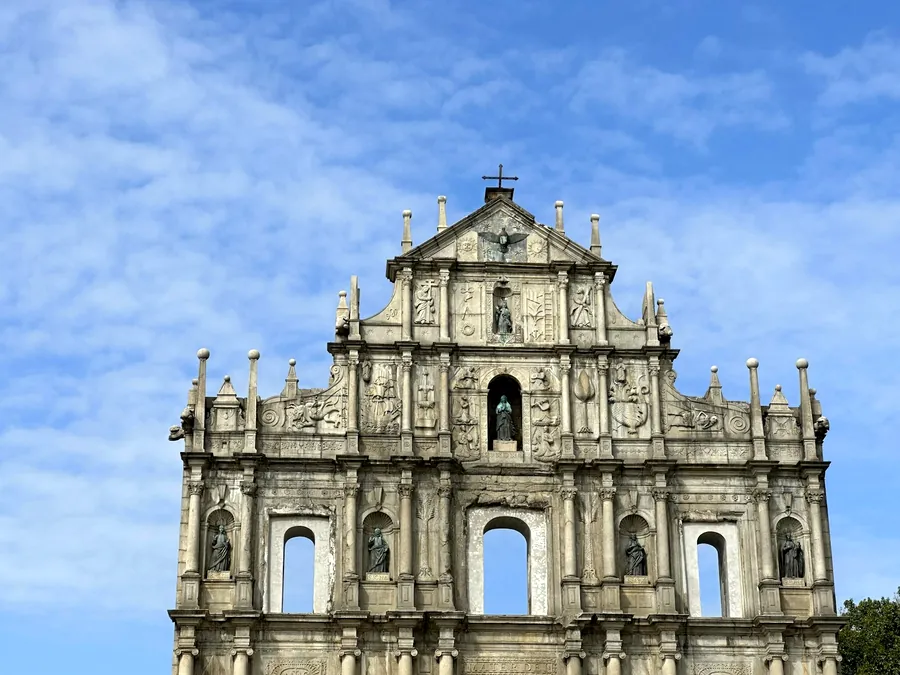
Macau

Portuguese tiles, Chinese temples and the best value in the luxury hotels

The former Portuguese colony on the Pearl River delta has one of the highest concentrations of luxury hotels per square kilometre anywhere in Asia, and a food culture that is its own thing.

  • October to March

Northwest China

Xi’an

The capital of thirteen dynasties, and the only city in China where the walls still go all the way round

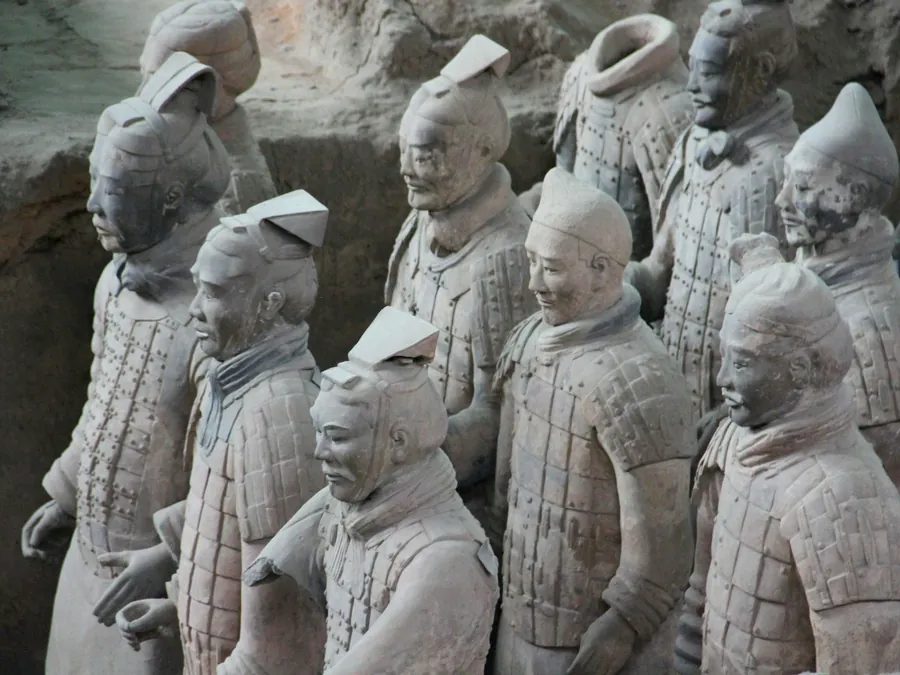
Xi’an was the eastern end of the Silk Road and the capital of China for over a thousand years before Beijing existed as a city. What survives is remarkably complete: the Ming-dynasty city wall you can cycle on, a Muslim Quarter that has been trading since the Tang dynasty, and an army of terracotta soldiers that has stood in formation for 2,200 years. Most visitors come for the warriors and leave surprised by how much city there is around them.

  • March to May, and September to early November

Southwest China

Kunming

The spring city, and the doorway into Yunnan

China's mild-capital: eternal spring temperatures, a lakeside promenade at Dianchi, and the first or last night of almost every Yunnan route. Kunming is a doorway rather than a destination — but a pleasant one.

  • November to April, for the wintering gulls at Green Lake

Southwest China

Shangri-La

The Tibetan plateau, before Tibet proper

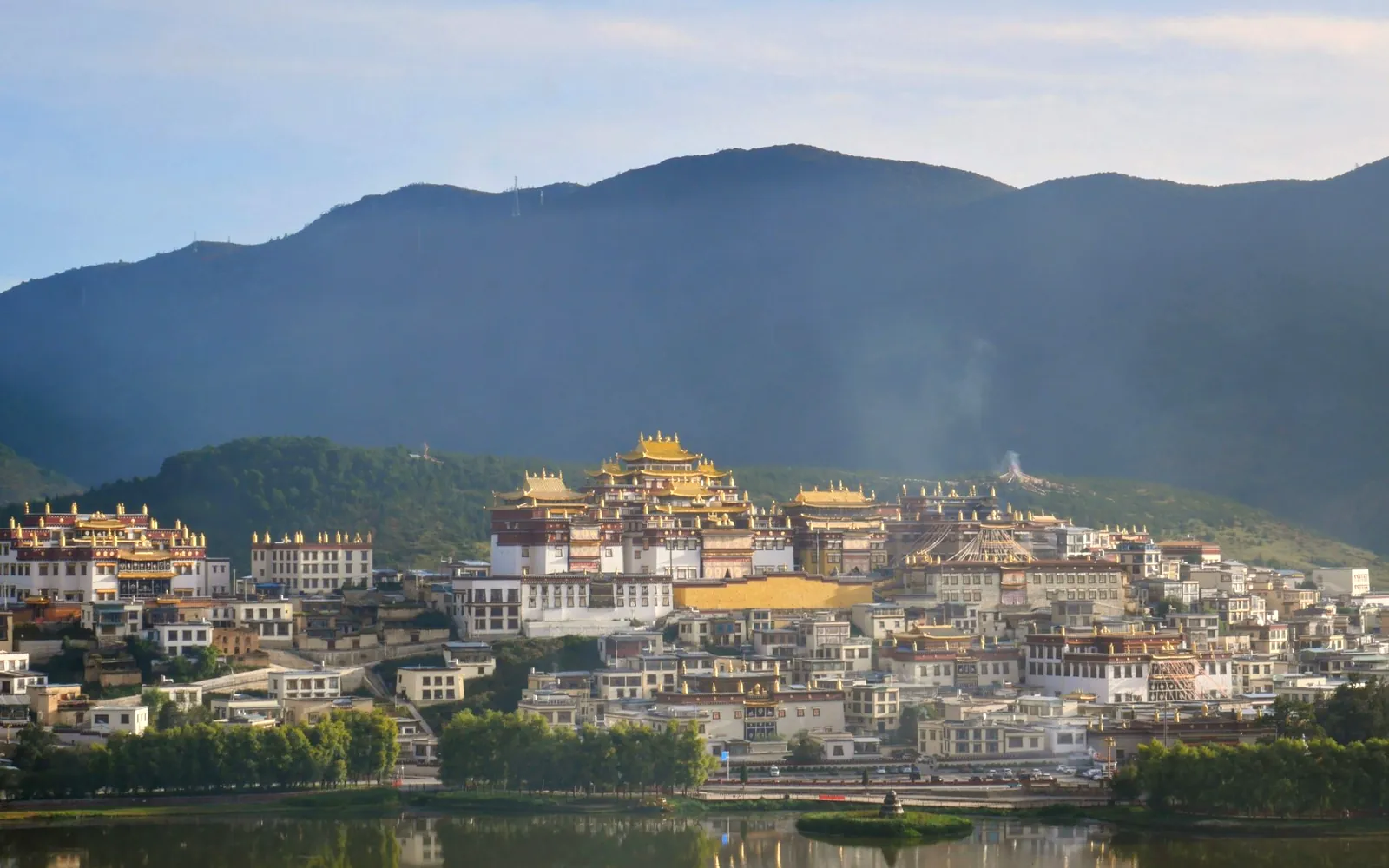
The renamed Zhongdian county sits at 3,300 metres on the Yunnan–Tibet border: a Tibetan old town, a working monastery, and the high pasture roads toward the minicultures of the north. The altitude acts like a trailer for Lhasa — come here first.

  • May to June for flowers, September to October for clear skies

Southwest China

Zhangjiajie

The sandstone pillars that inspired Pandora

Three thousand quartzite columns rising out of the subtropical forest of Wulingyuan. It is the landscape from every Chinese scroll painting, made physical — and it photographs even better in mist. Two full days inside the park is the minimum that does it justice.

  • April to June and September to November, when the mist sits between the pillars

East China

Huangshan

The granite pines and the sea of clouds

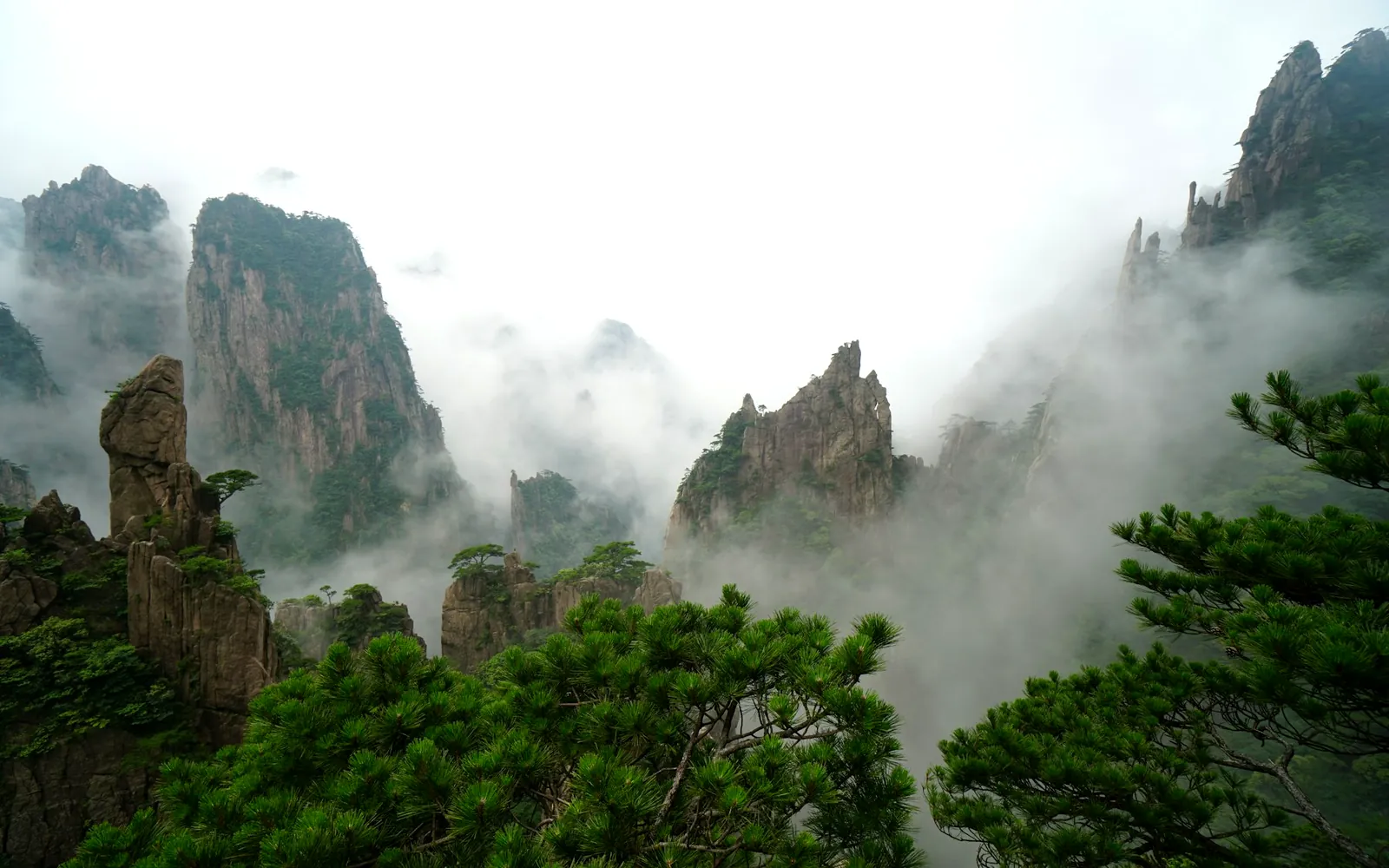
The Yellow Mountains are the most painted landscape in China: granite towers, cloud seas and pines that grow out of bare rock. Add the Huizhou villages at its foot — Hongcun, Xidi — and this becomes one of China's densest stretches of World Heritage scenery.

  • April to June and September to November; winter snow views are the connoisseur's choice

North China

Harbin

The ice city, from Russia with onion domes

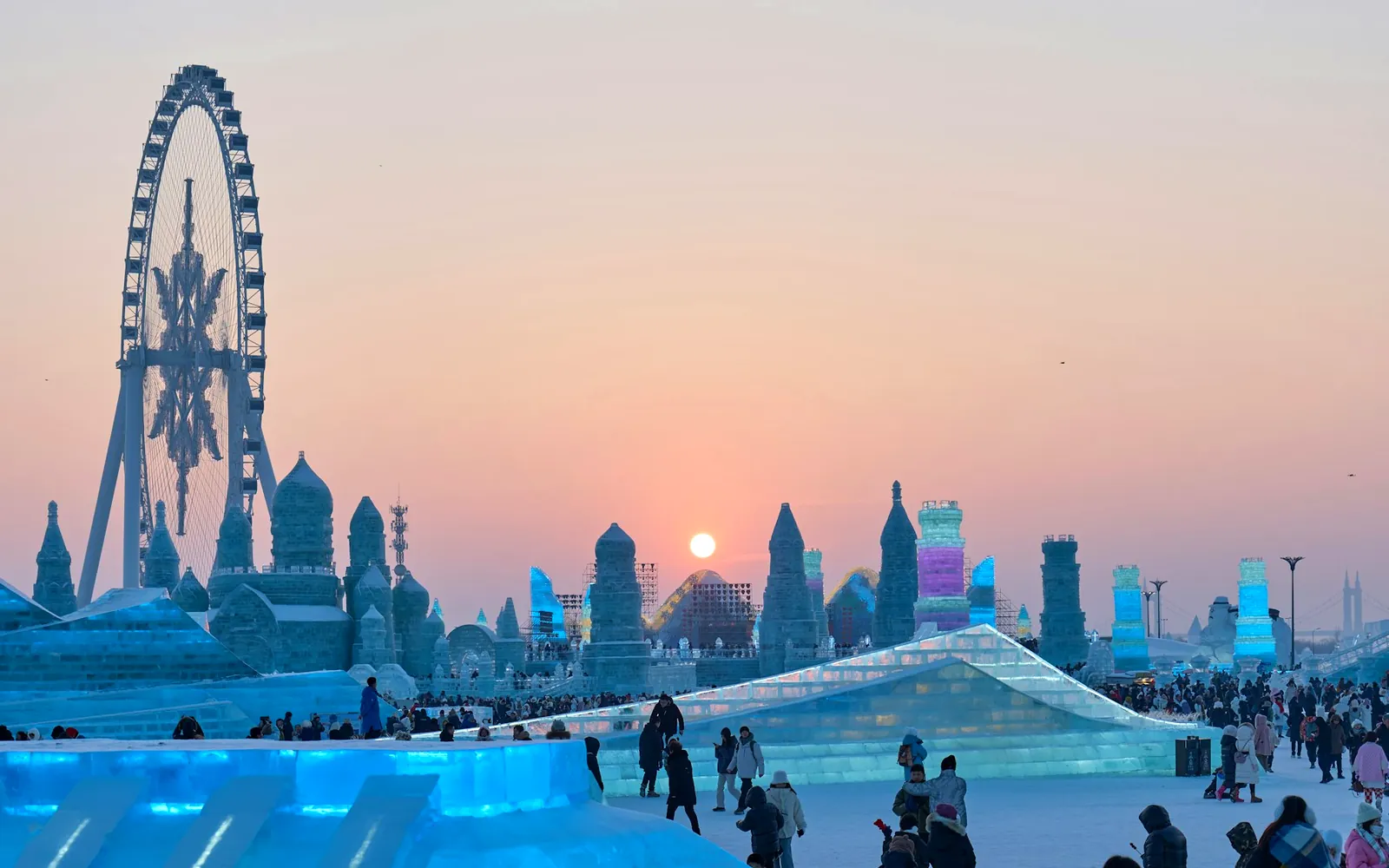
China's most improbable city: a Russian-built railway capital at minus twenty degrees, with onion domes on the avenue, frozen river carnivals and an ice festival that rebuilds a city out of light. From December to February nothing else in the country looks like it.

  • December to February for the ice festival; summer is pleasant but is not the point

Southwest China

Lhasa

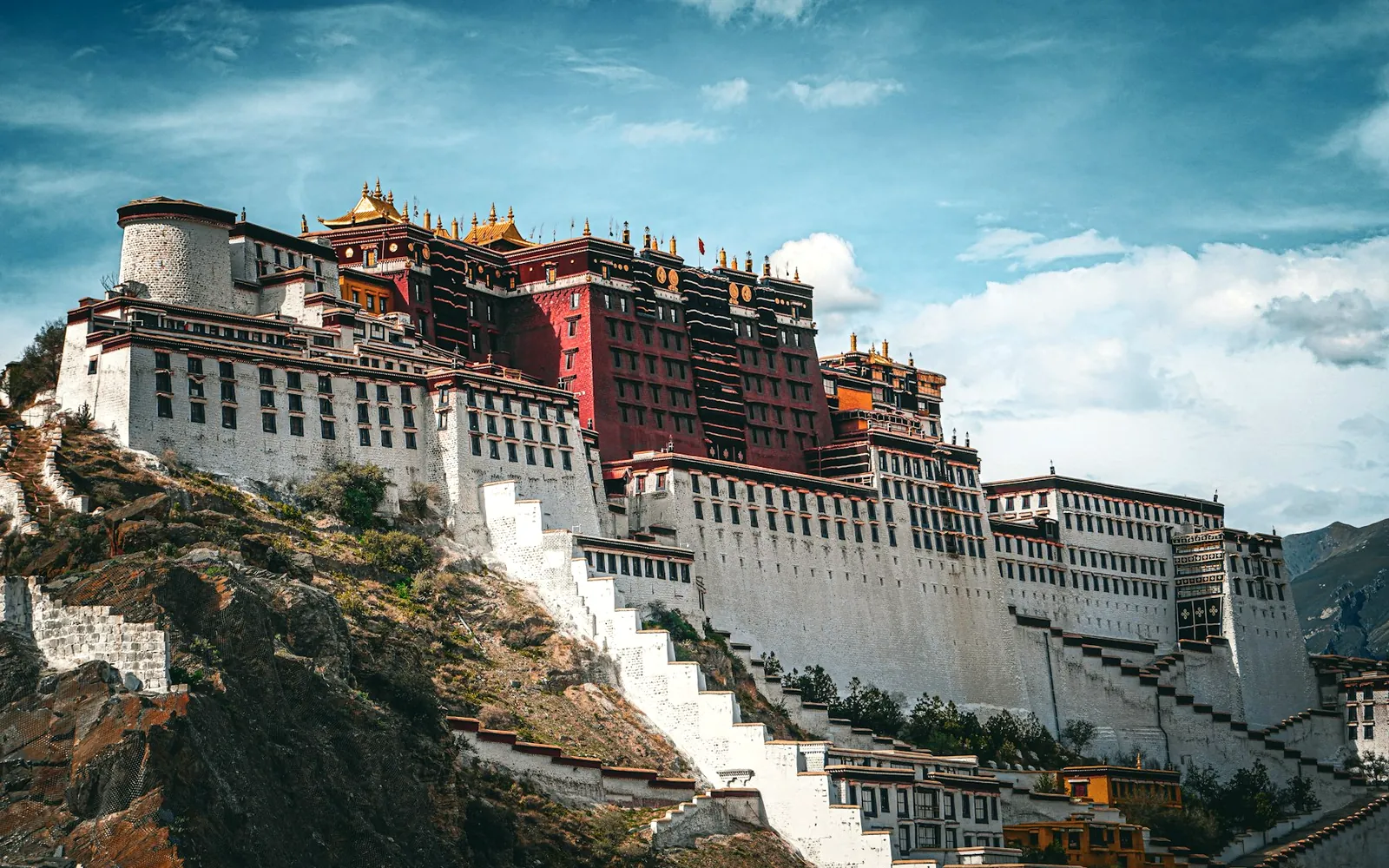
The Potala, the pilgrims and the light at 3,650 metres

The spiritual capital of Tibet is now reachable by rail or flight, and the reward is the strongest visual culture in China: the Potala above the city, the Barkhor circuit of pilgrims, and the monasteries holding the light. Lhasa pairs naturally with the road west to Everest.

  • April to June and September to October — avoid the monsoon weeks of July and August

North China

Pingyao

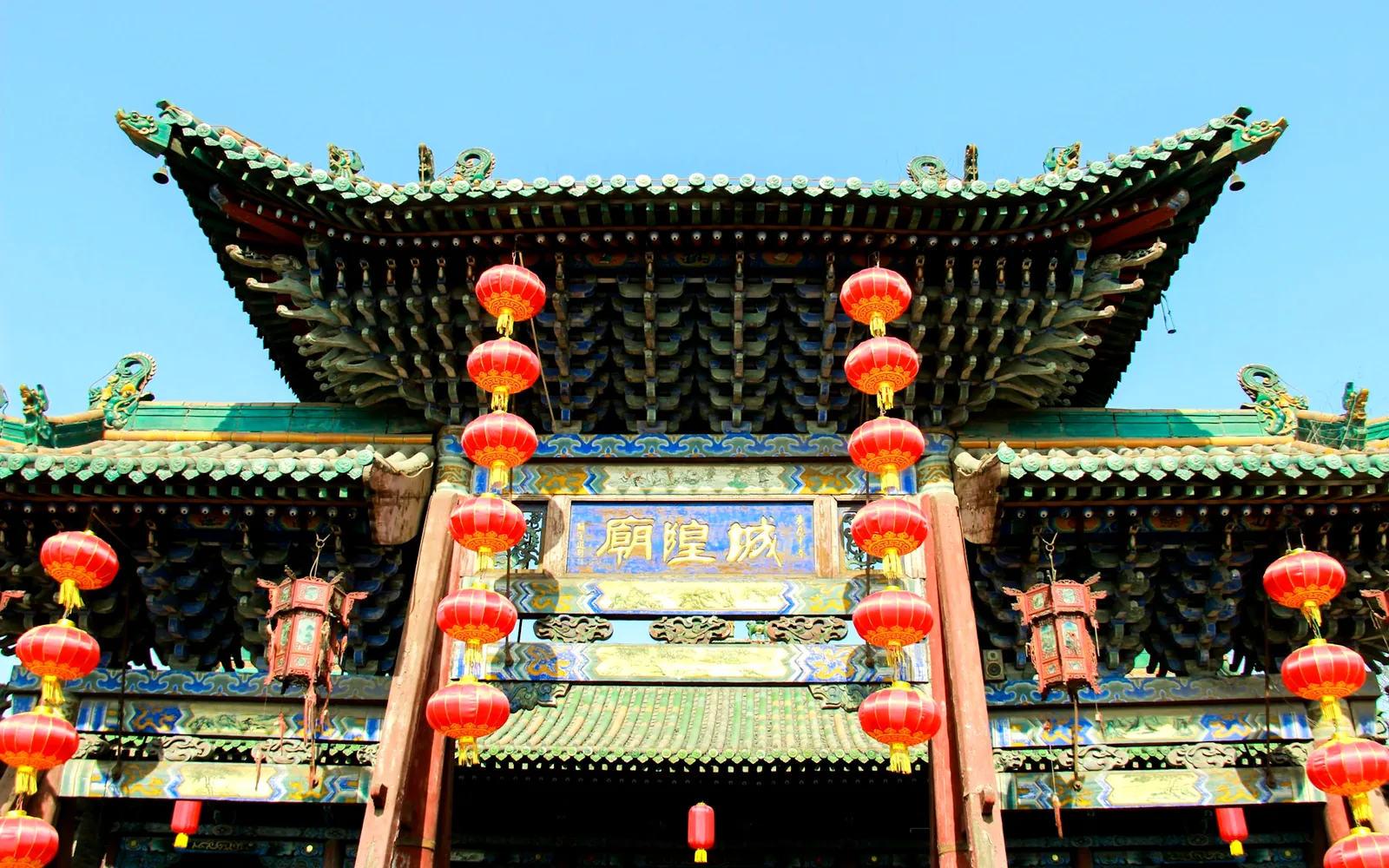
The walled banking capital, intact

A complete Ming-dynasty county town, walls and courtyards and temple roofs intact, where the first Chinese banks ran the empire's money. Two nights inside the walls — one for the lanes, one for the lanterns — is the difference between a visit and a memory.

  • April to May and September to October; the lantern festival weeks of early spring are atmospheric

North China

Datong

The grottoes and the hanging monastery

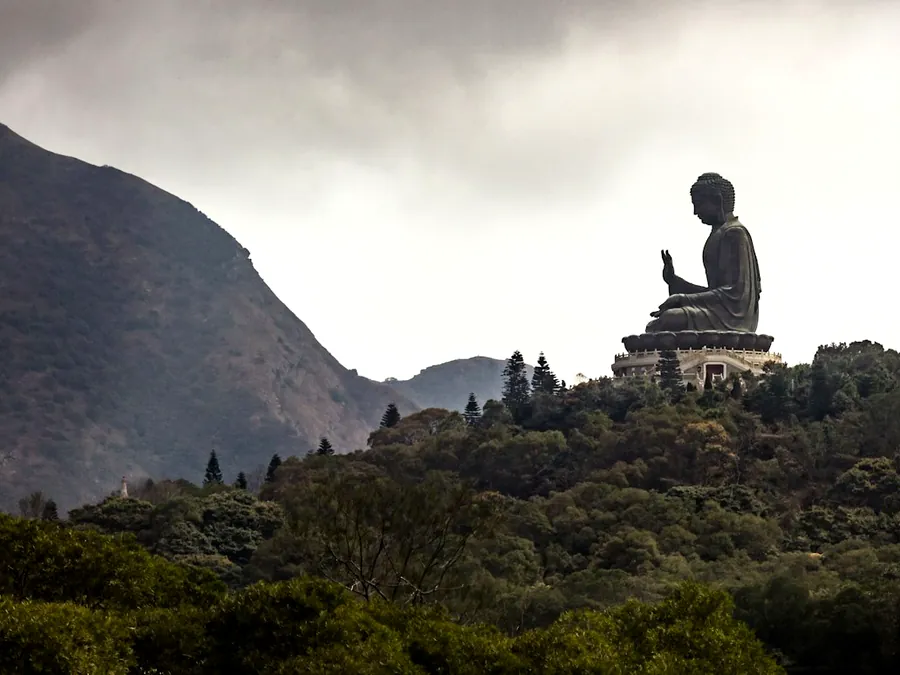
The old Northern Wei capital has more fifth-century carving than anywhere on earth: 51,000 Buddhas at Yungang, plus the Hanging Temple on Hengshan and a rebuilt old city that is honest about being a reconstruction. The quiet surprise of northern China.

  • May to October; winter is cold but the grottoes are empty

Southwest China

Guiyang

The cool highland capital that most itineraries skip

Guiyang sits at 1,100 metres in a basin of karst hills, which is why it stays cool in a province that bakes in summer. It is a working city rather than a showpiece: night markets, sour-soup kitchens, and the gateway to Huangguoshu, Libo and the Miao villages.

  • March to November; summer is the reason to come

Southwest China

Huangguoshu

Asia’s widest waterfall, and the gorge behind it

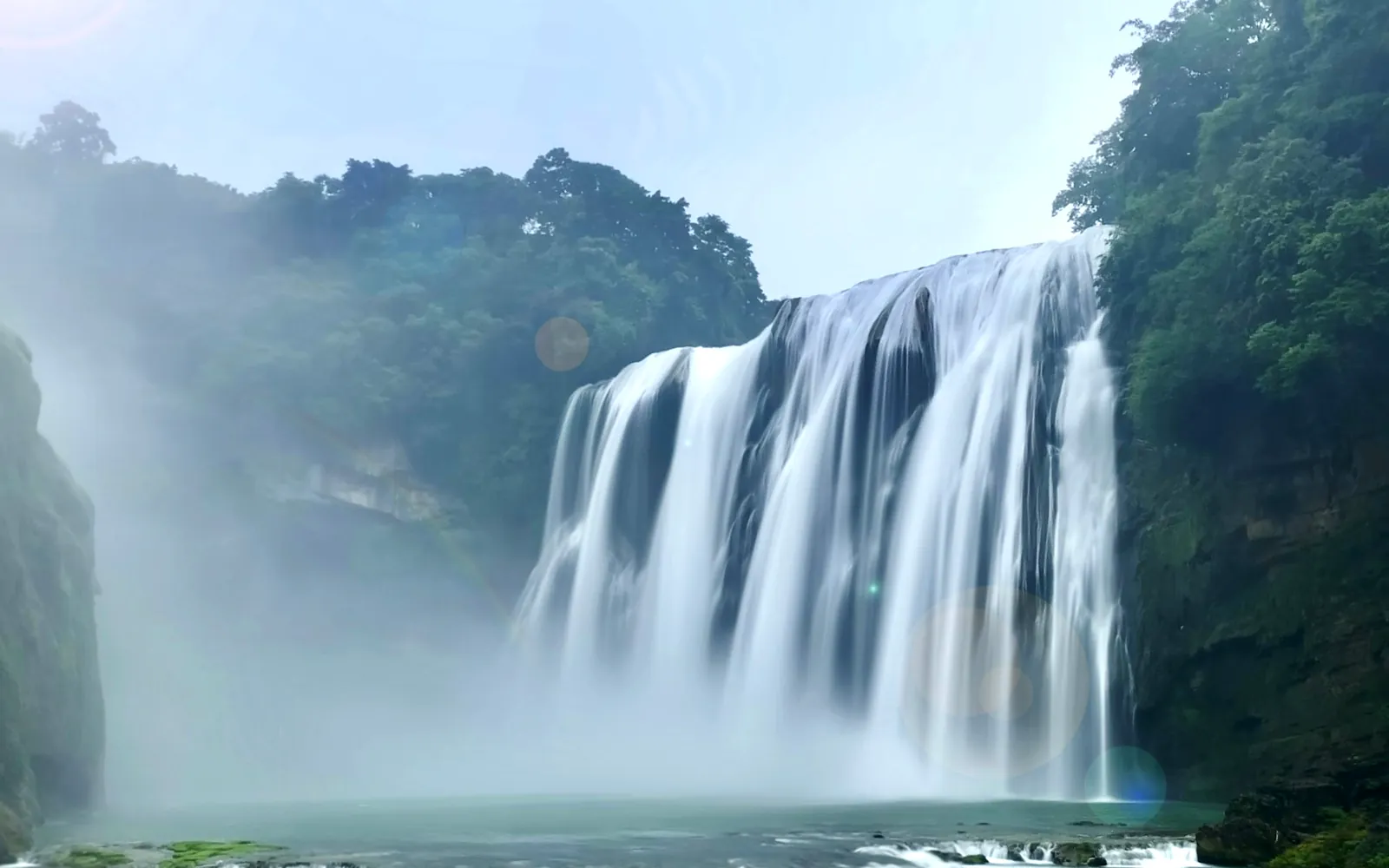
The Huangguoshu fall drops 67 metres across 101 metres of travertine — wide rather than tall, and loud enough to hear from the car park. The scenic area holds eighteen falls in one river system, which is why a half day here undersells it.

  • May to October for full water volume; November to March for mist and no crowds

Southwest China

Libo

Green water over travertine, in a karst forest

Xiaoqikong — the Small Seven Arches scenic area — is a seven-kilometre valley where the river runs over travertine steps in a colour that photographs badly because it looks edited. The surrounding Maolan karst forest is the other half of the story.

  • April to October; the water is at its most green after the summer rains

Southwest China

Xijiang

A thousand Miao households stacked up a valley

Xijiang Qianhu Miao Village is the largest Miao settlement in China: wooden stilt houses climbing both sides of a river valley, and a nightly population of visitors that the village absorbs better than most heritage sites. Stay overnight and the tour groups vanish at five.

  • April to October; festival days are set by the lunar calendar

Northwest China

Urumqi

The furthest city from any ocean on earth

Urumqi is the practical hinge of any Xinjiang trip: the flights, the museum, the Grand Bazaar, and the first proper plate of lamb kebabs. It is also a modern Chinese city of four million, so treat it as a gateway with good food rather than a destination in itself.

  • May to October; September for fruit and clear light

Northwest China

Turpan

The lowest, hottest place in China — and the greenest

Turpan sits in a depression 154 metres below sea level, where summer temperatures pass 45°C and a 2,000-year-old network of underground channels (karez) keeps the oasis alive. Ruined Silk Road cities, Buddhist cave murals and grape trellises, all within an hour.

  • April to May and September to October

Northwest China

Kashgar

The old Silk Road city that still trades on the road

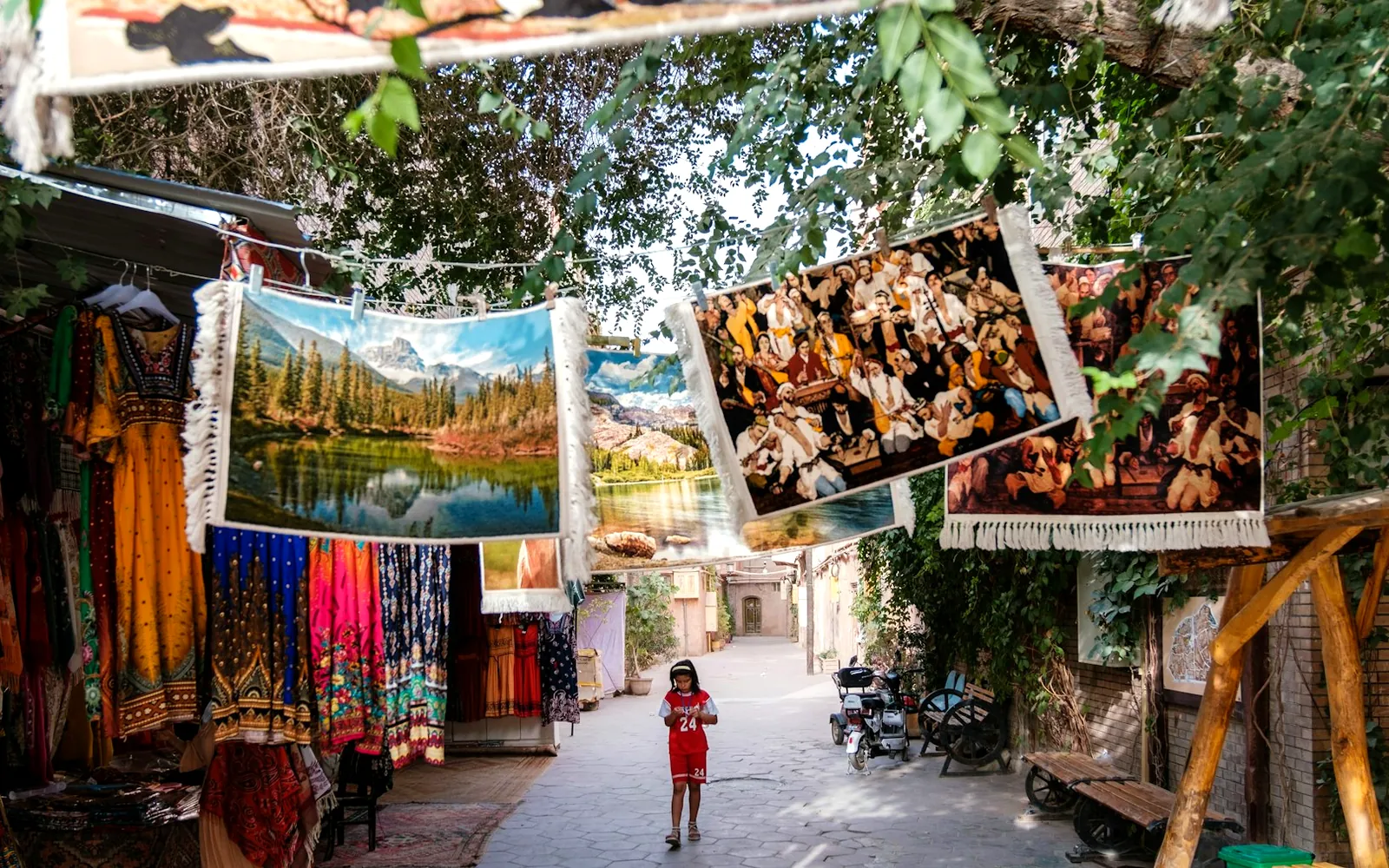
Kashgar is where the Karakoram Highway starts and where the Sunday livestock market still sells yaks and camels. The old town was largely rebuilt after 2010, and is more stage-managed than it was — but the craft streets, the tea houses and the mountains three hours south are real.

  • April to June and September to October

South China

Quanzhou

The port Marco Polo called the largest in the world

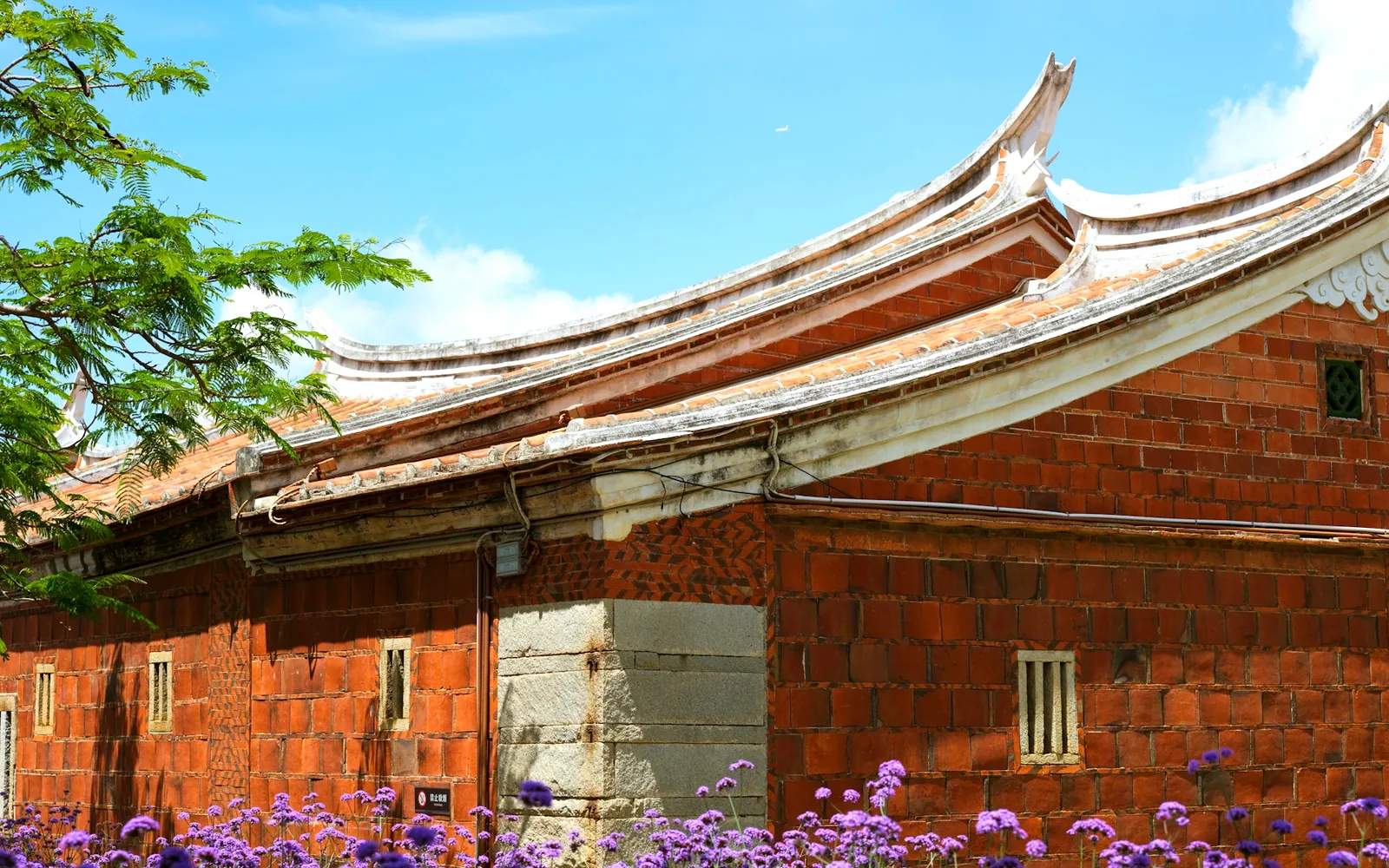
Quanzhou was the eastern terminus of the maritime Silk Road, and UNESCO listed it in 2021 for a harbour heritage that includes China’s oldest mosque, Hindu carvings in a Buddhist temple, and a bridge built in 1053. It is a working city with an old soul and very few foreign visitors.

  • October to April
South China

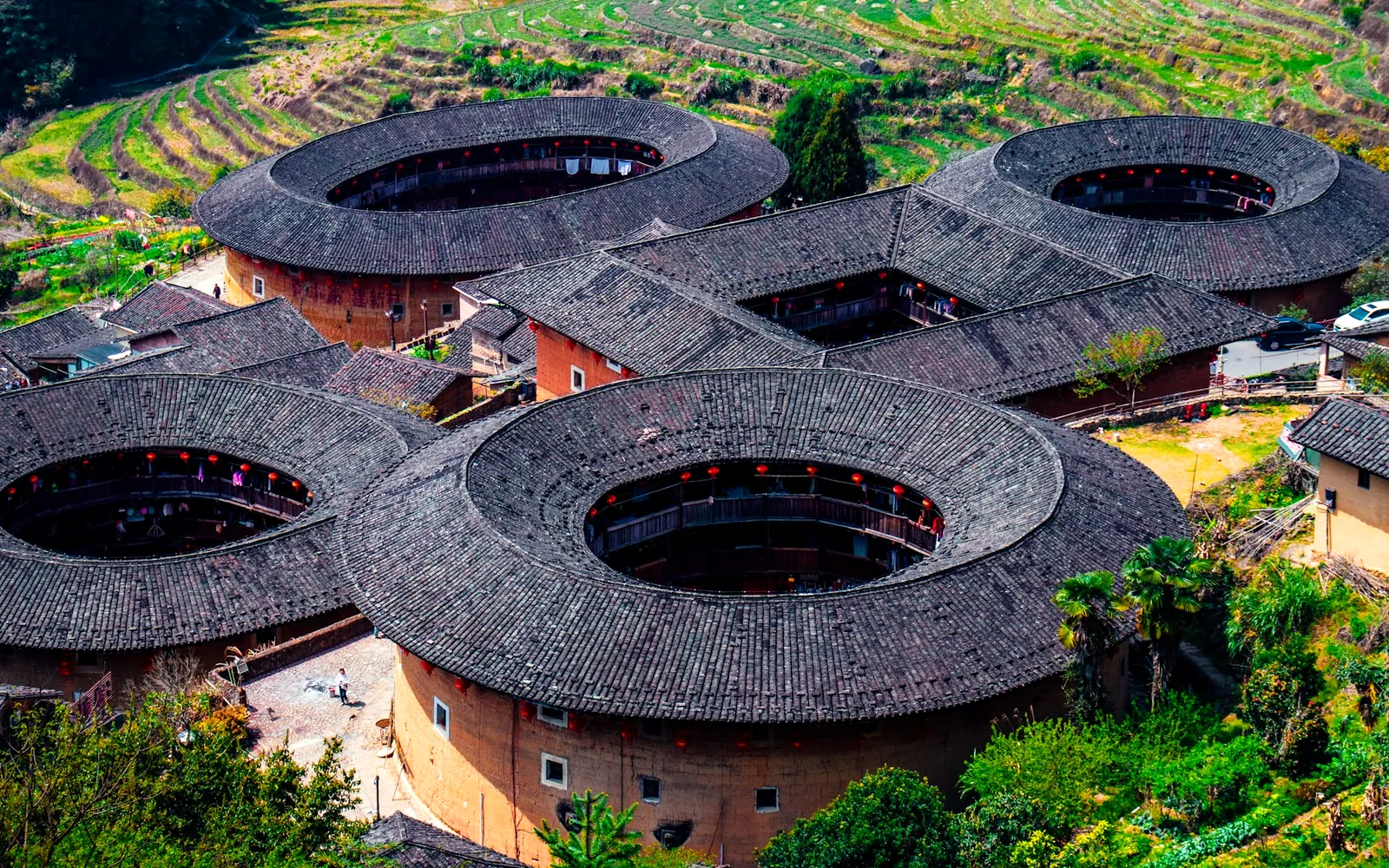
Fujian Tulou

Earthen fortresses where a hundred families live in one wall

The tulou are communal rammed-earth buildings — round, square, some four storeys high — built by Hakka and Minnan clans between the twelfth and twentieth centuries. Thirty of the finest, in Nanjing and Yongding counties, are UNESCO listed.

  • October to April; avoid the typhoon weeks in August

Central China

Yichang

The downstream end of the Three Gorges

Yichang is where the river leaves the gorges and where the dam holds it back. Most travellers only pass through on a cruise, but the dam itself, the ship locks and the 1950s river town on the bank are worth the extra day.

  • March to May and September to November

North China

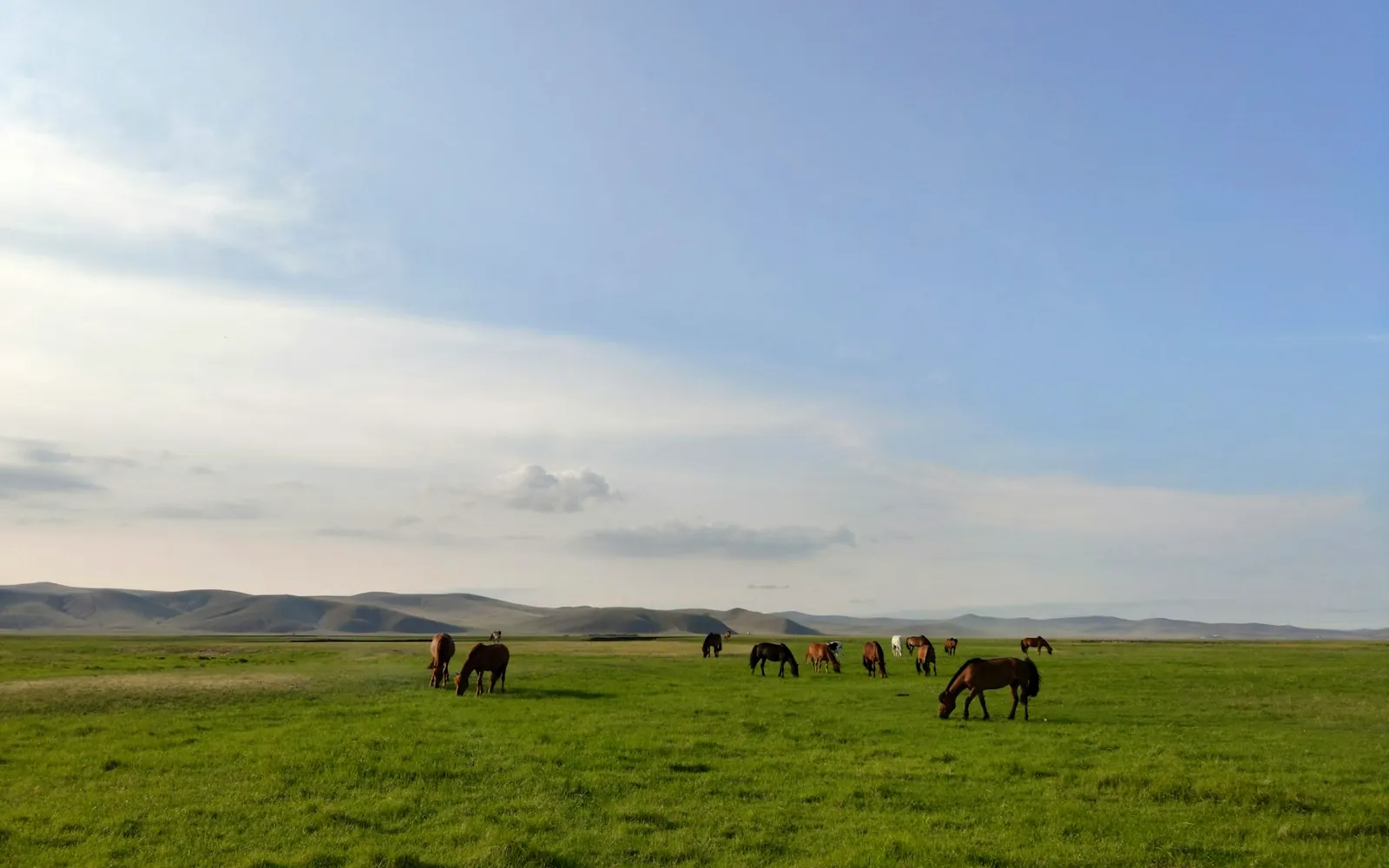
Hulunbuir

The grassland that runs to the Russian border

Hulunbuir is the largest prefecture-level city on earth by area, and almost all of it is grass, river and birch forest. Kazakh herders, Russian-influenced border towns and a horizon that stays flat for an hour at a time.

  • June to September; mid-July for the naadam festivals

Northwest China

Xining

The 2,275-metre gateway to the Tibetan plateau

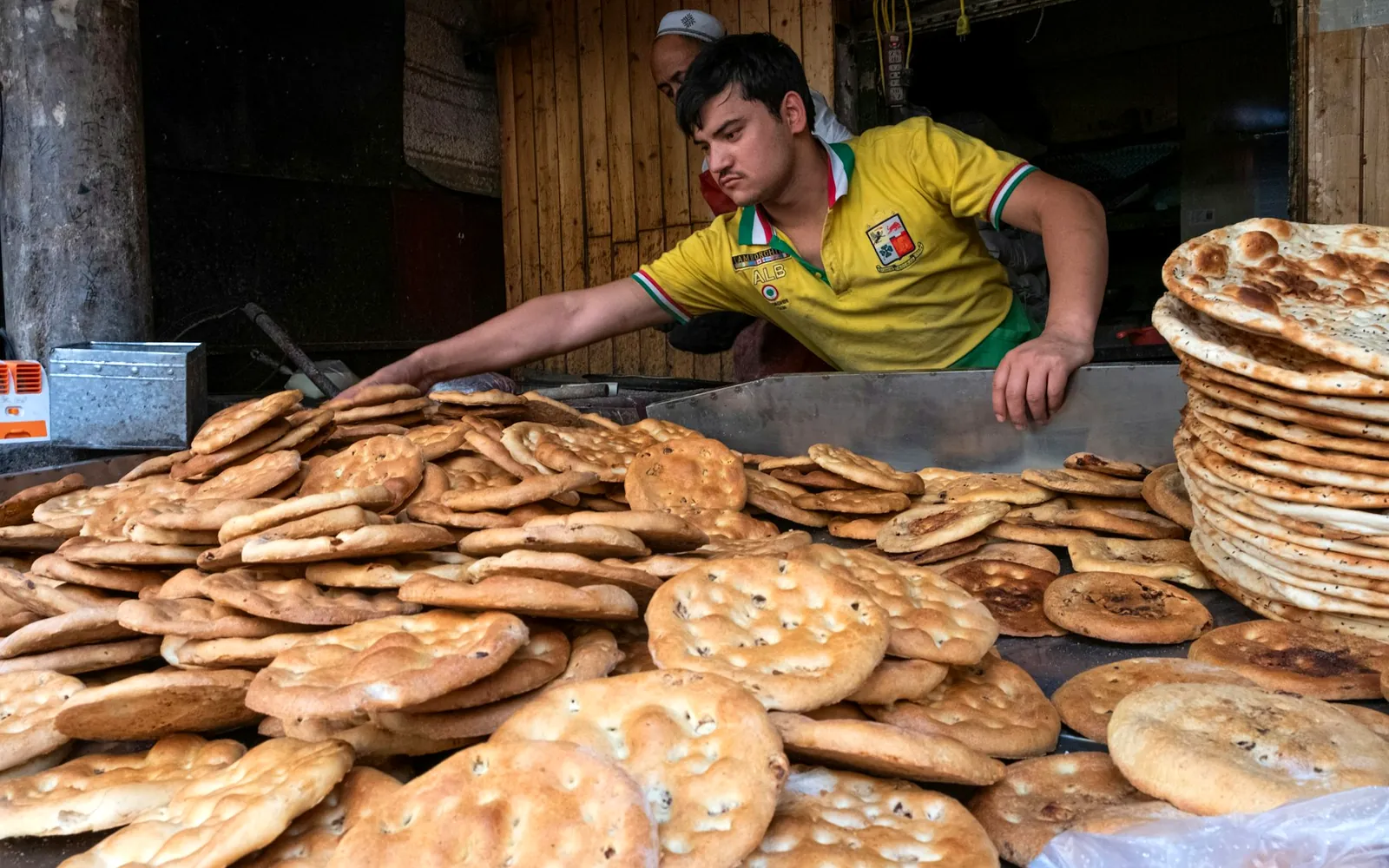
Xining was a garrison town on the edge of the empire for two thousand years, and it still feels like a frontier: Hui bakers, Tibetan pilgrims off the bus from Lhasa, and the smell of cumin lamb on Mojia Street. For travellers it is the practical base for Qinghai Lake and Kumbum, with the only international five-star in the province.

  • May to October; July brings the rapeseed bloom around the lake

Northwest China

Qinghai Lake

China’s largest lake, 3,200 metres up on the plateau

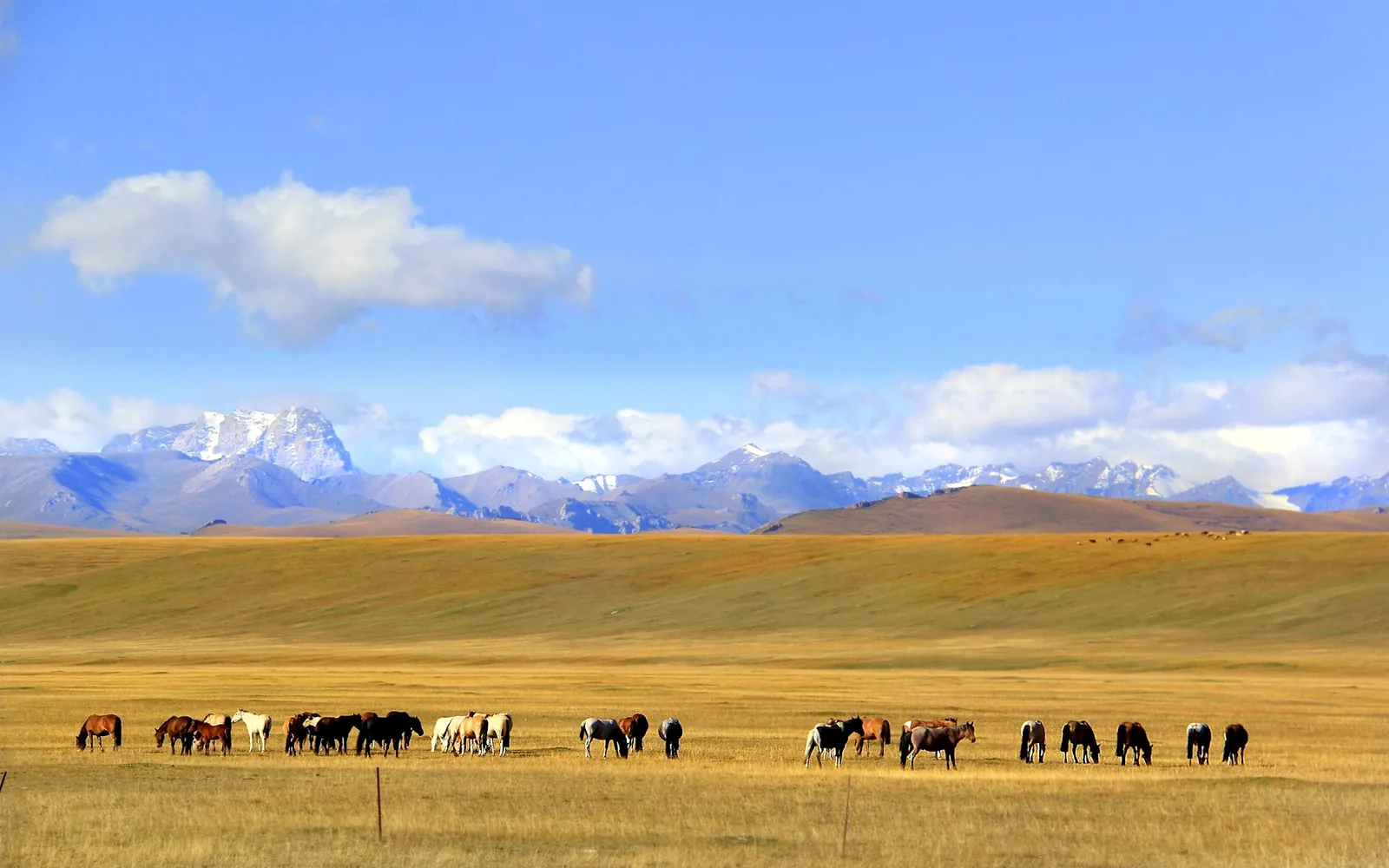
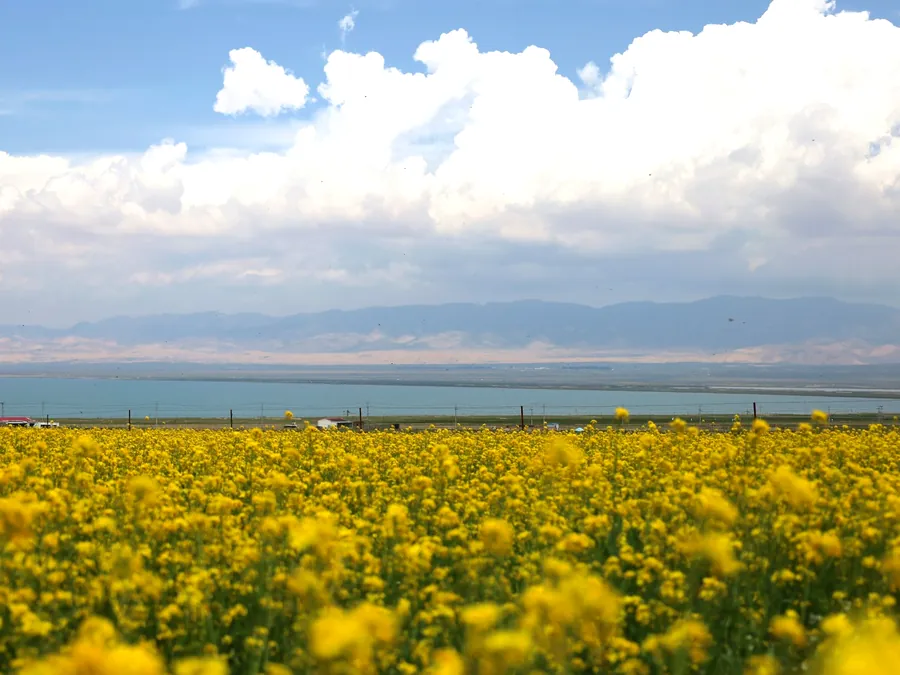
A saline lake the size of a small sea — 4,400 square kilometres ringed by grassland, rapeseed fields and snow ridges. In July the shore turns yellow with rapeseed; in winter the shallows freeze into blue ice. The classic traveller’s loop runs the south shore to Heimahe for sunrise, out to the mirror of Chaka Salt Lake, and back along the north shore.

  • June to August for rapeseed and warm days; September for golden grass and fewer people

Southwest China

Leshan

The 71-metre Buddha carved into a riverside cliff

The Giant Buddha at Leshan is the largest stone Buddha in the world — 71 metres of Tang-dynasty sandstone sitting where the Min, Dadu and Qingyi rivers collide. It was carved to calm the currents that were sinking boats at the confluence, which is why the best view is from the water: the rock face only makes sense from a boat, and the stairway that descends beside the Buddha only makes sense after it.

  • March to June and September to November

Southwest China

Emei Shan

The Golden Summit above a sea of clouds

Emei Shan is one of the four sacred Buddhist mountains of China — 3,077 metres of temple, cloud and subtropical forest, with a 48-metre golden statue of Samantabhadra on the summit. The modern way up is civilised: shuttle buses and two cable cars, which leaves the energy for the ancient parts — Wannian Temple, the monkey troops on the middle slopes, and hot-spring resorts at the foot of the mountain.

  • March to June for azaleas, September to November for cloud seas; winter for rime ice and thin crowds

South China

Guilin

The karst city the Li River runs through

Guilin is the city of the classic karst panorama — the towers rise straight out of neighbourhoods. Two rivers and four lakes ring the old town, the Sun and Moon pagodas light up over the water at night, and every boat to Yangshuo leaves from a dock an hour downstream. It is the proper first and last night of any Li River route.

  • April to October; May–June after rain gives the classic mist-on-peaks look

South China

Longji Rice Terraces

Terraces carved into the mountains since the Yuan dynasty

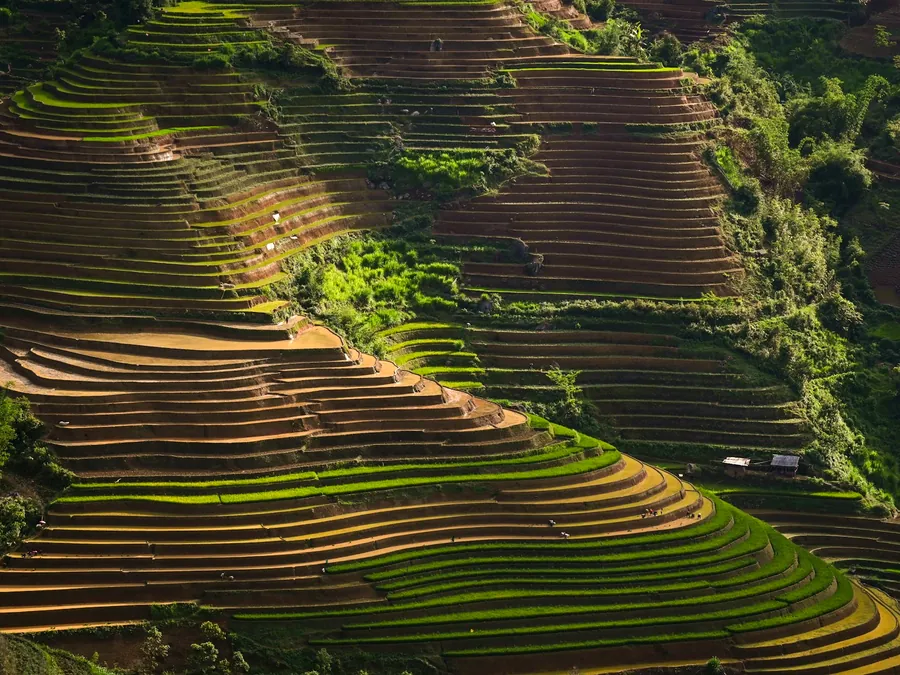
The Longji — Dragon’s Backbone — terraces climb from 300 to 1,100 metres up the mountains of Longsheng, engineered by Zhuang and Red Yao farmers over six hundred years. The two great areas are Ping’an, with the classic Nine Dragons Five Tigers and Seven Stars Accompanying the Moon viewpoints, and Dazhai in the Jinkeng valley, whose Golden Buddha Summit gives the 270-degree panorama. Staying overnight is the point: the day crowds leave at four, and the terraces at dawn belong to whoever slept there.

  • Mid-May to June when the flooded terraces mirror the sky; late September to October for golden harvest

Northeast China

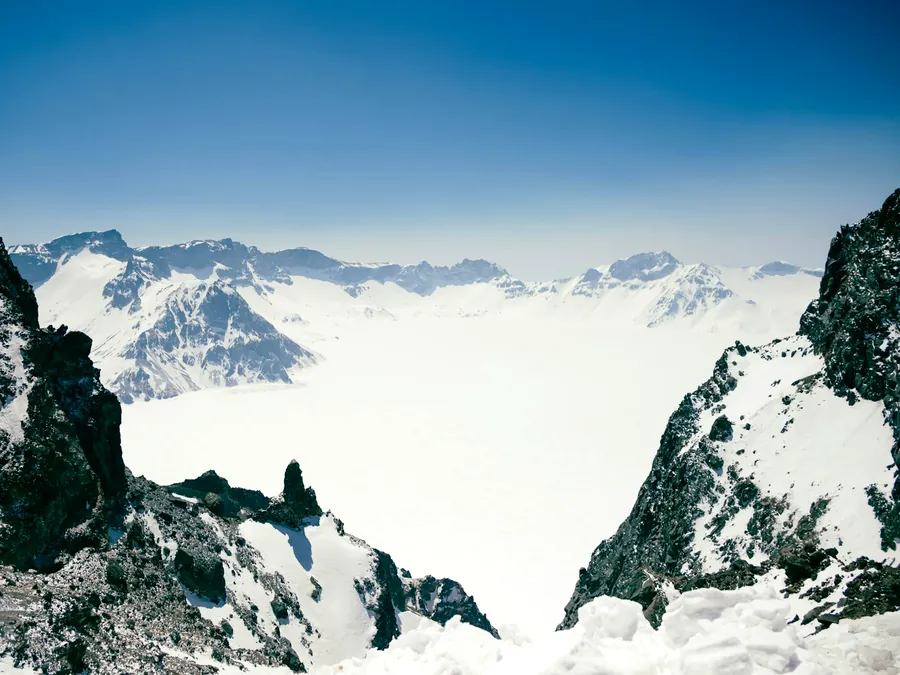
Changbai Mountain

The volcanic crater lake on the Chinese–Korean border

Changbai Shan — the Ever-White Mountain — is a dormant volcano straddling the Chinese–North Korean border, with Heaven Lake (Tianchi) filling the crater at 2,190 metres. In winter the mountain becomes a snow destination that international travellers have not found yet: rime-ice forests, the frozen Changbai Waterfall, hot springs that cook eggs in the outflow, and a ski resort with Asia’s longest runs, ski-in from the hotel door.

  • December to March for snow, rime and skiing; June to September for the green caldera and the lake at its bluest

East China

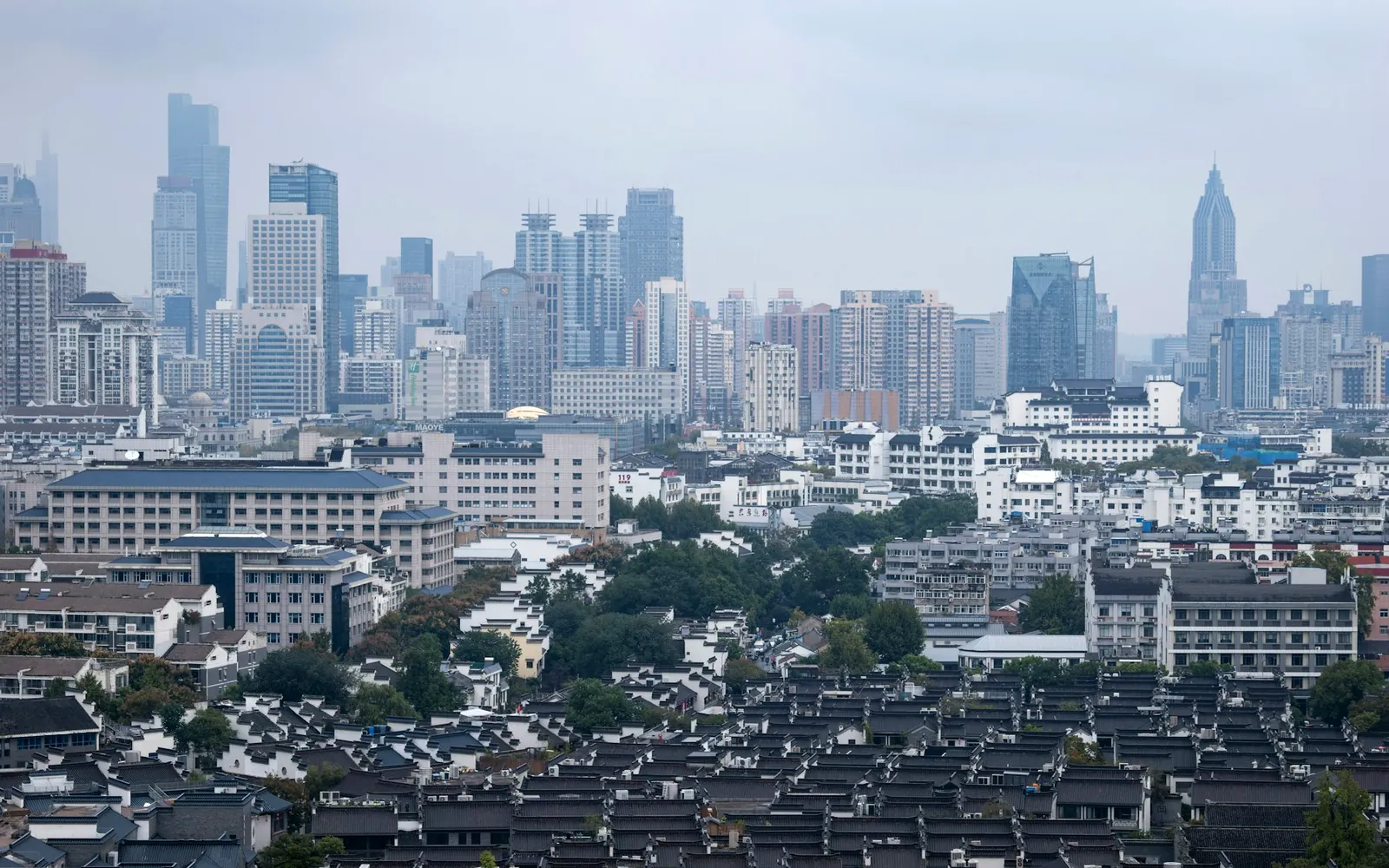
Nanjing

The capital of six dynasties, still keeping its walls

Nanjing was the capital of six dynasties, the first capital of the Ming, and the capital of the Republic — and it carries all three layers without showing off. The Ming city wall still circuits the old town for 35 kilometres, the Purple Mountain holds Sun Yat-sen’s mausoleum and the first Ming emperor’s tomb in one forest park, and the Qinhuai River lantern district has been the city’s evening out since the Tang. It sits midway on the Beijing–Shanghai high-speed line, which makes it the easiest serious-history stop on China’s busiest corridor.

  • March to May (plum and cherry blossom on Purple Mountain) and September to November

South China

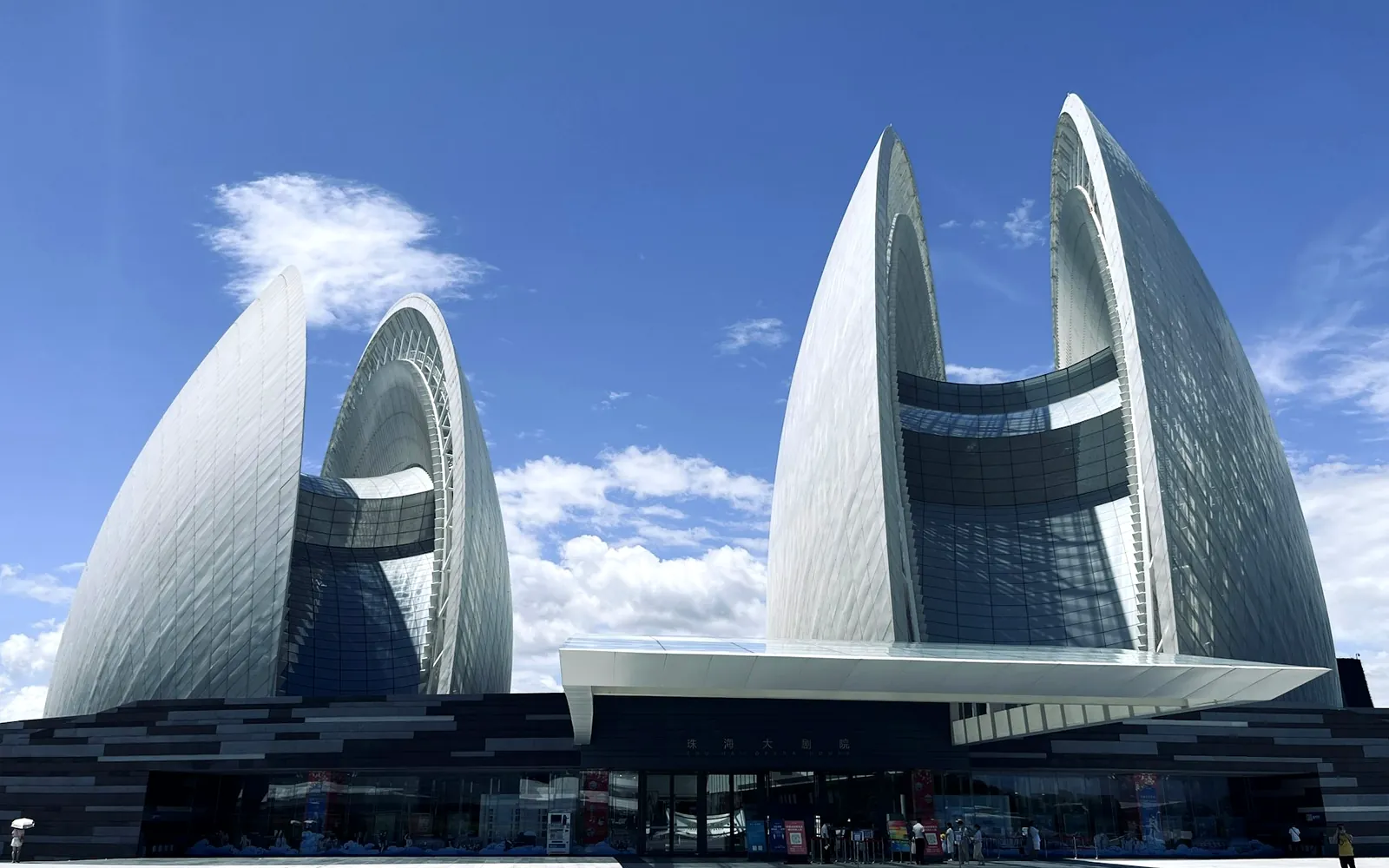
Zhuhai

The garden city at the Chinese end of the bridge to Hong Kong

Zhuhai was drawn up in the 1980s as the calm alternative to Shenzhen, and it kept the brief: low-rise, green, and arranged along a fifty-kilometre waterfront. The Lovers’ Road runs the whole coast beneath the Fisher Girl statue, the offshore islands count above a hundred, and Chimelong Ocean Kingdom on Hengqin is the largest marine park in Asia. It is also the mainland anchor of the Hong Kong–Zhuhai–Macau Bridge — and the Gongbei border crossing puts Macau a walk away, which makes the city the natural three-territory base of the Pearl River delta.

  • October to April
South China

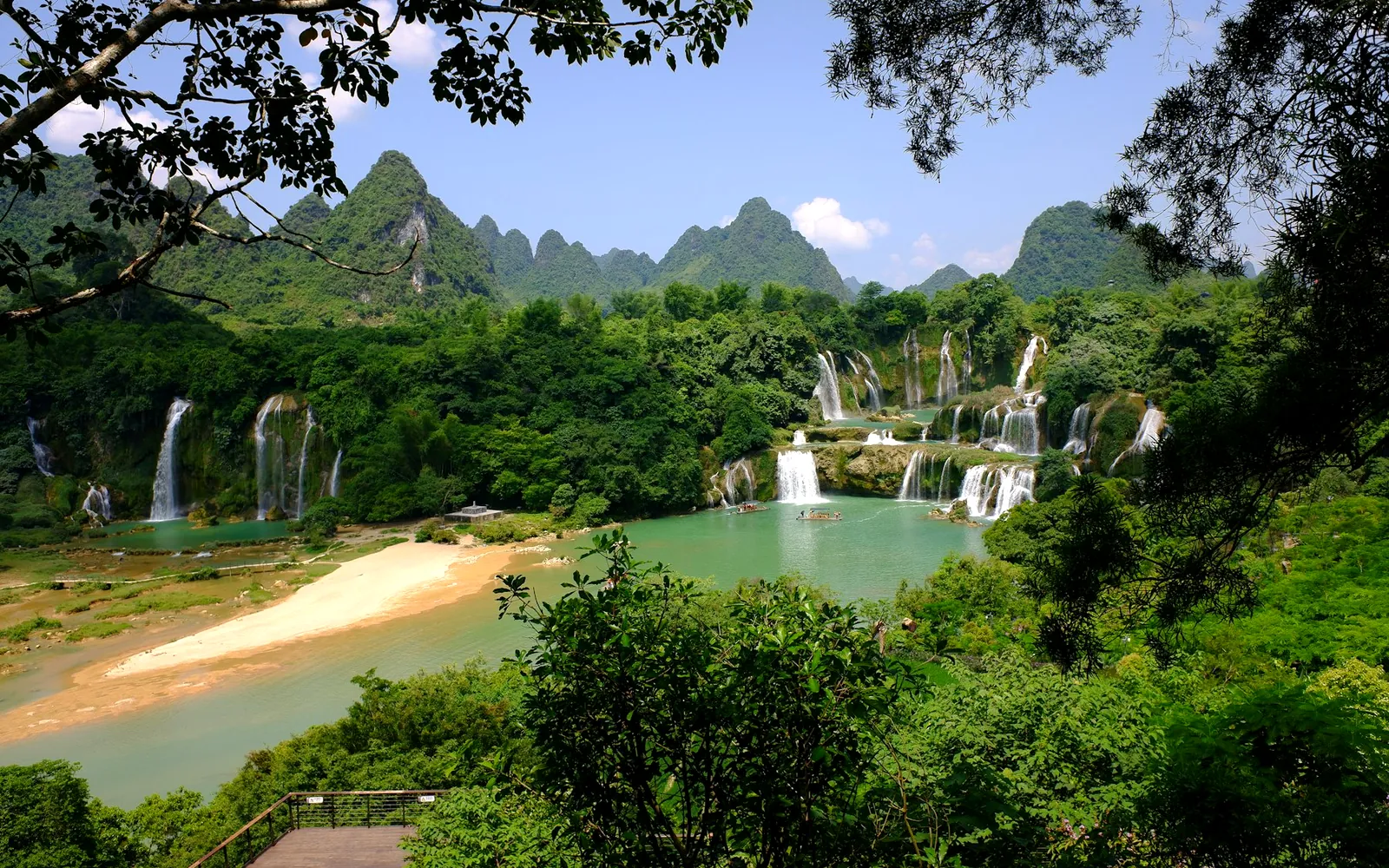
Chongzuo

Transnational waterfalls and karst fields on the Vietnamese border
Chongzuo is the far southwest of Guangxi, where the karst country runs up against Vietnam and the rivers cut through it. Two sights carry the prefecture: Detian Falls, a three-tier cascade that straddles the border itself, and the Mingshi valley, where sugar cane and rice are farmed between the peaks and the rivers bend slow enough to mirror them. The crowds that fill Yangshuo four hours east have not arrived here; the trade-off is that this is driver country — a private car from Nanning and two unhurried days is the correct shape for a visit. Staying inside the karst rather than day-tripping is what makes the dawns work.

  • June to October for the falls at their strongest; November to December for golden sugar cane and clear karst days